50. Dr. Allan Armitage on Common Sense Gardening
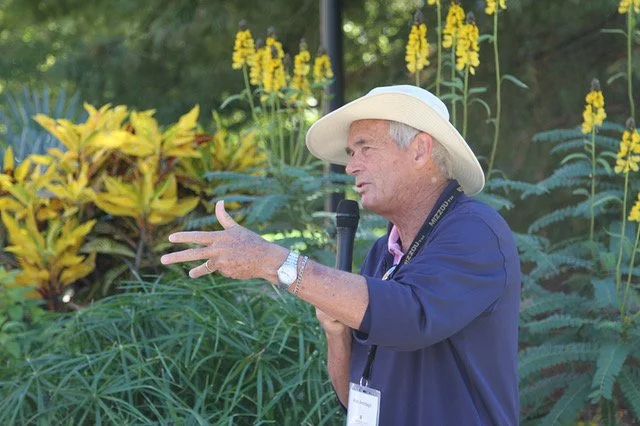
Dr. Allan M. Armitage is an Emeritus Professor of Horticulture at the University of Georgia, where he served as a faculty member until his retirement in 2014. Internationally recognized as a writer, speaker, educator, and researcher, he is one of the most influential voices in modern horticulture.
Allan has authored more than 70 academic research papers, over 500 industry articles, and 17 books that serve as foundational texts, professional references, and trusted companions for gardeners worldwide. His landmark reference Herbaceous Perennial Plants was named one of the best horticulture books of the past 75 years by the American Horticultural Society and is now in its fourth edition.
His research focused on new crop introduction and evaluation and environmental physiology. He founded and led the highly respected University of Georgia Trial Gardens, a premier testing ground for heat- and humidity-tolerant plants where he released more than 20 plants to the gardening industry, including the iconic Verbena ‘Homestead Purple’ and ‘Margarita’ ornamental sweet potato.
Allan has received nearly every major honor in American horticulture, including the Liberty Hyde Bailey Award (American Horticultural Society) – highest lifetime honor and the Scott Medal and Award, another of the most prestigious honors in ornamental horticulture.
Allan remains an in-demand lecturer throughout North America, Europe, Australia, New Zealand, and South America, and continues to write, teach, and advocate for practical, joyful gardening.
You can learn more about him at his website allanarmitage.net.
SHOW NOTES
Growing up in Montreal with no gardening background and a lawn-focused childhood and a memorable plant encounter involving a barberry hedge
Teaching high school and discovering enjoyment in a small greenhouse environment
Working as a grave digger and realizing how plants and beauty can comfort grieving families
Transitioning from high school teaching into horticulture through graduate school
Graduate research at University of Guelph focused on greenhouse production of cut roses
Enjoying the return to school, research, and teaching as a graduate student
Declining a prestigious Canadian government job after realizing it didn’t fit personal values
Moving to the United States and beginning doctoral work at Michigan State University
Accepting a position at the University of Georgia and settling in Athens
Balancing teaching and research as a young faculty member
Witnessing major shifts in greenhouse production
Noting the rise of native plants driven by grassroots demand rather than top-down mandates
Breeding native plants into cultivars that expand color, size, and garden performance
Recognizing perennial gardening as historically centered in cooler climates
Writing early perennial books to address regional gaps in plant availability
Highlighting pollinators as a growing focus across horticulture
Discussing Phlox, Echinacea, and Baptisia’s transformation from obscure native to mainstream perennial
Frustration with deer pressure as one of the most common modern gardening challenges
Advocating for simplifying gardening rather than overcomplicating it
Warning against fear-based gardening where people are afraid to make mistakes
Accepting plant failure as part of the process rather than a sign of incompetence
Encouraging gardeners to focus on pleasure over perfection
Discussing seasonal ugliness and accepting August as a difficult garden month
Acknowledging that many people enjoy gardens without wanting to work in them
Writing The Common Sense Gardener to answer repeated basic questions clearly
Reframing plant labels from “sun-loving” to “sun-tolerant” and emphasizing tolerance rather than affection in plant behavior
Observing widespread confusion caused by too many choices and conflicting advice and warning against taking gardening dogma too seriously
Some thoughts on common sense watering
Stressing lifelong learning regardless of experience level
Valuing conversation and peer learning as teaching tools
Believing success breeds confidence and credibility when sharing knowledge
Describing writing early mornings to separate academic work from personal projects
Developing a personal writing voice through repetition and habit
Acknowledging changes in publishing and the rise of self-publishing
Expressing skepticism about AI replacing human storytelling in horticulture
Tracking plant knowledge through travel and visiting gardens worldwide
Using humor and reader stories to humanize technical plant books
Writing to make readers smile as much as learn
Believing stories help people remember plants better than facts alone
Sharing favorites monthly, including books, gardens, plants, and travel
Anticipating future shifts toward sustainability and reduced chemical use
Hoping for reduced reliance on plastic pots in the future
Encouraging enjoyment, experimentation, and acceptance of impermanence
Valuing horticultural history and preserving stories behind plant names
Teaching plant identification through narrative rather than memorization
Believing gardeners cannot be forced but can be supported when ready
Recognizing gardening as a leisure activity competing with many distractions
Emphasizing timing and readiness in cultivating new gardeners
Learn more about Allan Armitage by visiting his website …
KEEP GROWING