Haven Kiers BIO
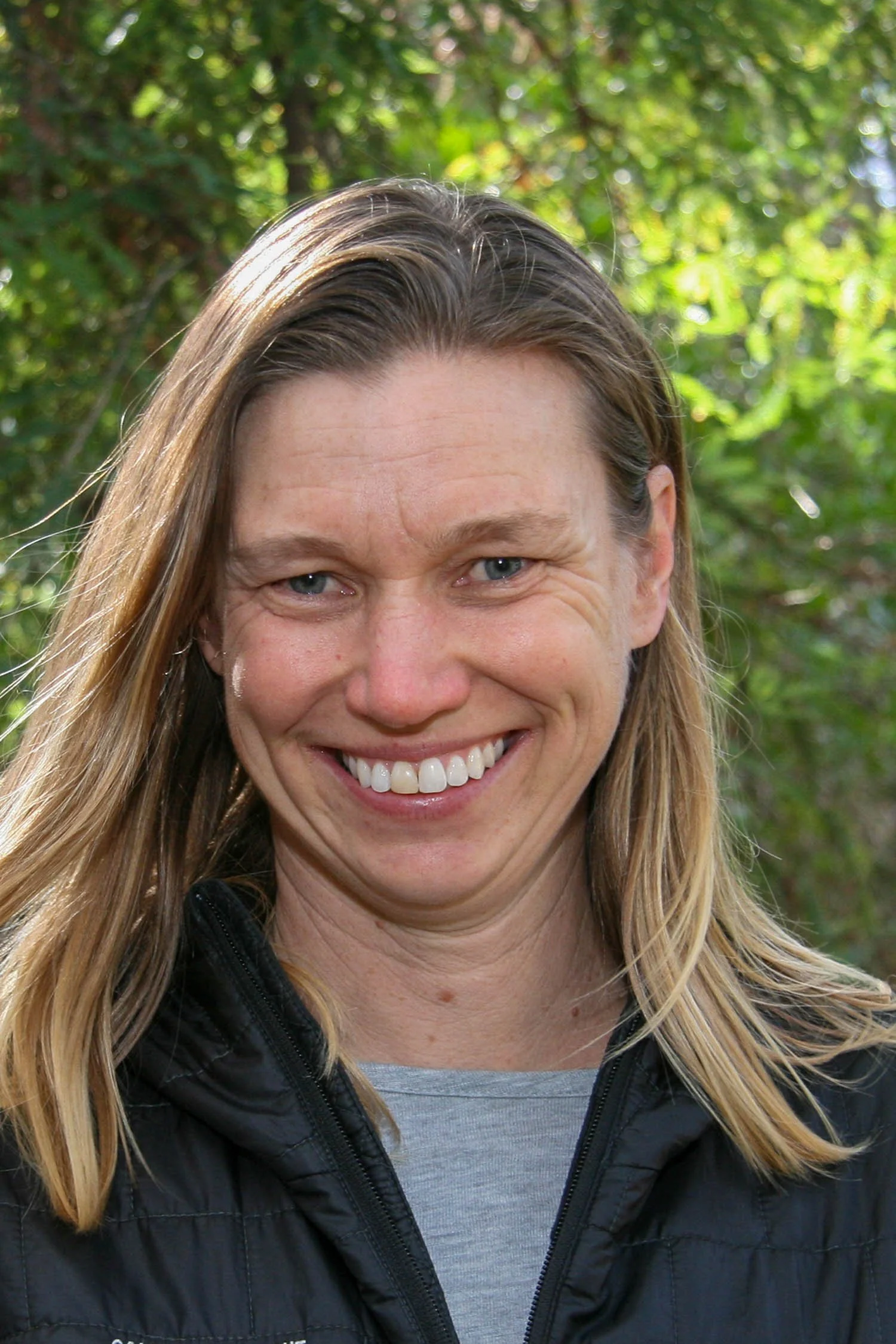
Haven Kiers is an associate professor of landscape architecture at UC Davis. She received a BA from Brown University and an MLA from UC Berkeley. Her research focuses on urban/suburban landscape projects and their design effectiveness at both the practical (construction and maintenance) and psychological (aesthetic and therapeutic) levels. Through studies that investigate the intersection of reconciliation ecology and aesthetics, her work examines the environmental benefits, technological progress, and level of cultural acceptance of sustainable design. She explores the idea that ecological concepts such as xeriscaping and biodiversity can also be viewed as amenities – concepts that aesthetically enhance the landscape while simultaneously promoting sustainability and engaging the community. Her research explores three, often contradictory, aspects of landscape design: (1) the potential to change long-engrained conceptions of what sustainable design looks like, (2) the creation of aesthetically pleasing, drought tolerant habitats for plants and wildlife, and (3) the maintenance required to keep urban landscapes engaging and ecologically productive.
You can learn more about Haven from her Keeping Up guide, her UC Davis faculty page, her website sheepmowers.org, and her Instagram @ucdavis_sheepmowers.
SHOW NOTES
Haven's passion for plants sprouted from her mom's garden design work and a green roof in her childhood
Studied international relations, tried management consulting, then started a window box design company in Boston before discovering landscape architecture
Wrote her graduate thesis on the myths of green roofs at Berkeley in 2002
Spent 14 years with Green Roofs for Healthy Cities teaching classes
Persistent myths about green roofs, especially cost
The multifunctional benefits of green roofs, including stormwater capture, reduced urban heat island effect, biodiversity, and the healing power of nature
Small-scale green roof pilot projects on a dog house, tool shed, and bike shelter for testing plants and water capture
Learned the most practical horticulture knowledge from retired volunteer gardeners at the UC Davis Arboretum
Design-build studio class where students maintain and redesign a campus courtyard
Brings in campus grounds staff to talk with students about designing for maintenance and common mistakes
The student-designed turf sofa project and the debate between introverted versus extroverted seating orientation
Used California native sod from a partnership with Delta Bluegrass for the turf couch
Origin of the Keeping Up guide, developed with landscape architect Brenna Castro through an LAF research grant
How high-profile naturalistic gardens like the High Line and Piet Oudolf's work require significant maintenance budgets
Surveyed both designers and maintenance professionals to compare perspectives on biodiversity barriers
Top barriers identified limited funding, cultural expectations of manicured landscapes, lack of technical training, weak communication between teams, and structural constraints within the maintenance industry
Compiled 14 case studies from parks and university campuses across the country
Resulting resources split into the Ground Craft Guide (practical tips) and Upkeep Catalog (systems and funding strategies)
Sponsor-a-plant programs as a way to build community buy-in
The value of leaving leaves in place as natural compost
The "mullet garden" concept, business in the front and habitat party in the back
Distinction between maintenance (static, appearance-focused) and management (adaptive, performance-goal focused)
Union rules can restrict groundskeepers from tasks and may require a specialized role for that work
Adaptive management as an ongoing, observation-based practice rather than a fixed checklist
John Little's philosophy of calling it gardening rather than management or stewardship
Comparison of ornamental planting, naturalistic planting, and ecological restoration
Survey's biggest surprise was that decision-makers and clients, not maintenance crews, were the primary barrier to biodiversity
Reframing a garden as public art to unlock different grant funding
Importance of training and engaging volunteers to expand maintenance capacity
Case study highlight of an invasive species bounty hunt that rewards volunteers with replacement plants
UC Davis sheep mowing project and its unexpected community engagement benefits
Weeding therapy program invites the campus community to volunteer without formal training
Managing expectations of all stakeholders as the most important lesson from the case studies
Using interpretive signage and cues to care to help the public understand naturalistic areas
New York City parks' approach of clearly delineating gardens from natural areas
Core takeaway for students: respect and learn from the on-the-ground knowledge of maintenance professionals
Landscape architects succeed more through networking and asking questions than solving problems alone
The guide's design combined Brenna Castro's collages with graphic design work by Daisy Welcome
Personal practice of staying adaptive and flexible rather than over-planning
Gardening myth to bust: naturalistic and native gardens do not have to look messy
Book recommendations include image-heavy plant books, California Native Plants for the Garden by by Carol Bornstein, David Fross, and Bart O'Brien, and vintage Sunset garden guides
The Miridae poster references a former design-build firm focused on storytelling around plant-insect relationships
The idea of "cocktail party nuggets" as shareable social currency for plant knowledge
Encourages creating outdoor events and showing people hidden natural spaces to combat loneliness and build connection to plants
Haven teaches a Nature Rx class introducing first-year students to lesser-known natural spaces on campus
You can learn more about Haven from her Keeping Up guide, her UC Davis faculty page, her website sheepmowers.org, and her Instagram @ucdavis_sheepmowers.