Tessa Pinner Bio
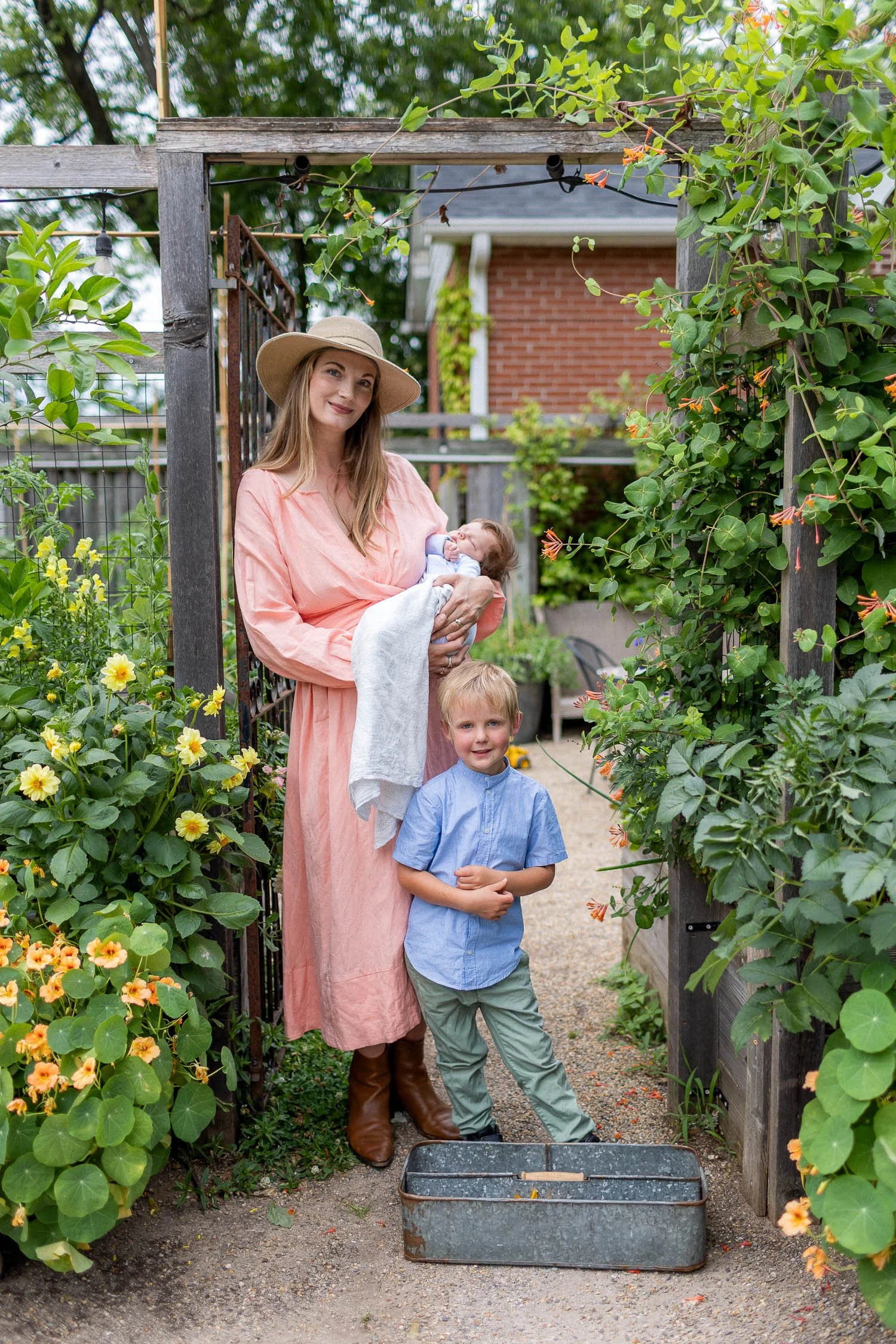
Tessa Pinner is a garden designer, horticulturist, and artist whose work blends classical design principles with the romantic charm of English gardens. Drawing on a background in fine art, sculpture, and luxury events, she creates gardens that marry thoughtful structure with lush, diverse planting—beautiful, practical spaces designed to be lived in and loved. After completing formal horticulture training and spending five years with a high-end landscape design and construction firm, Tessa launched her independent consulting practice in 2023.
A lifelong student of the arts and sciences that inform garden creation, Tessa has pursued fine garden training at Great Dixter in England and Chanticleer Garden in Pennsylvania. Her approach is rooted in the belief that gardens are not simply compositions to admire, but living places where beauty, ecology, and everyday life meet.
Tessa is also the cohost of The Garden Gab Podcast, where she and fellow Southern garden designer Molly Hendry explore gardening, design, and the pleasures of cultivating a beautiful life. Together, they are leading a garden tour of England in 2027, inviting fellow garden enthusiasts to experience some of the country’s most inspiring gardens firsthand.
Tessa lives in Greenville, South Carolina, with her husband and three young sons. You can learn more about her garden design and consulting work at www.tessapinner.com and join the conversation at The Garden Gab Podcast.
SHOW NOTES
How Tessa’s grandmother and her prized hybrid tea roses first planted the seed for Tessa’s interest and gardening
Taking the Clemson Master Gardener class as the young couple among retirees
As a wedding cake designer, feeling captive to the wedding industry’s weekend schedule and deciding to switch careers
How sourcing quality local ingredients led to learning about the food system and planting a first vegetable garden
The through line from event design to garden design and how to create an experience and a feeling for the people in the space
Advice from designer Dabney Peoples to get the plant science rather than a landscape architecture degree
Earning a horticulture degree at Spartanburg Community College and learning plants outdoors in the campus arboretum
The influence of professor Kevin Parris and his love of magnolias
Interning at Great Dixter in the summer of 2019 alongside student gardeners from several countries
Starting each day at Great Dixter by sweeping the paths as an act of care, hospitality, and setting the stage for visitors
Treating garden work as dignified work and keeping tools neat and work areas tidy
The broom selection that rewarded early arrivals with the best brooms
Learning to look at the garden with an editorial eye by asking “What needs to be done here?”
Seeing the garden as never finished, with constant editing, staking, replanting, and experimenting
Building layers from canopy down to bulbs and ground covers for a longer show
Planting more densely than the tag says and learning which plants won’t tolerate crowding, like Baptisia (false indigo)
Trying Dixter’s planting pockets for annuals within a perennial matrix and why it only works at a larger scale
Using annuals to bridge the southern July-August gap, in containers to hold the eye when perennials aren’t performing, and to fill gaps while a new perennial planting establishes, before root competition sets in
Cultivating plants for a purpose through topiary and coppicing shrubs for fresh foliage
Structure and bones that carry the garden through winter and hold the summer chaos together
Dedicated trial spaces at Dixter, like the tulip fire resistance experiment
Growing plants herself before specifying them in a client’s garden
Pots of lilies staged in the wings and brought out at peak bloom
Core design takeaways: start with the place and accept the site you’ve been dealt
Getting to know clients, how they live, and what they need from the space before thinking about style
Regrading a corner of her yard for drainage and sowing a native southeastern seed mix on the berms
Year three of the meadow: species that never showed up and pioneering weeds like ragweed, horsetail, and dog fennel
Plans to punch in rivers of structural grasses
Leaving meadow material standing through winter for wildlife
Meadows aren’t high maintenance, but they need intelligent maintenance and knowing your cast of characters
How Garden Gab with Molly Hendry began after meeting at a Southern Garden History Society event in Birmingham
The loneliness of running a solo business and the value of a garden twin to brainstorm with
Encouraging new gardeners who feel intimidated by botanical Latin and plant care
Sharing a real, imperfect garden on social media and getting past the need for it to look perfect
Pushing back against unrealistic AI-generated garden images
Inspirational vs. encouraging content
Gardening as a place of hospitality where family life happens, Legos and toy trucks included
Practices that help like a weekly garden walk with coffee and no tools allowed
A seed starting setup on a rolling rack with lights and timers'
Automating what you can, including a self-winding hose reel
Why greenhouses are ovens in southern summers but extend the spring and fall seasons
Busting the myth that garden care is better outsourced, fast, and convenient
Propagating gardeners by giving plants as gifts
Find Tessa on Instagram @tessapinner, the Garden Gab podcast, her newsletter, and her website
KEEP GROWING