The Trial Beds
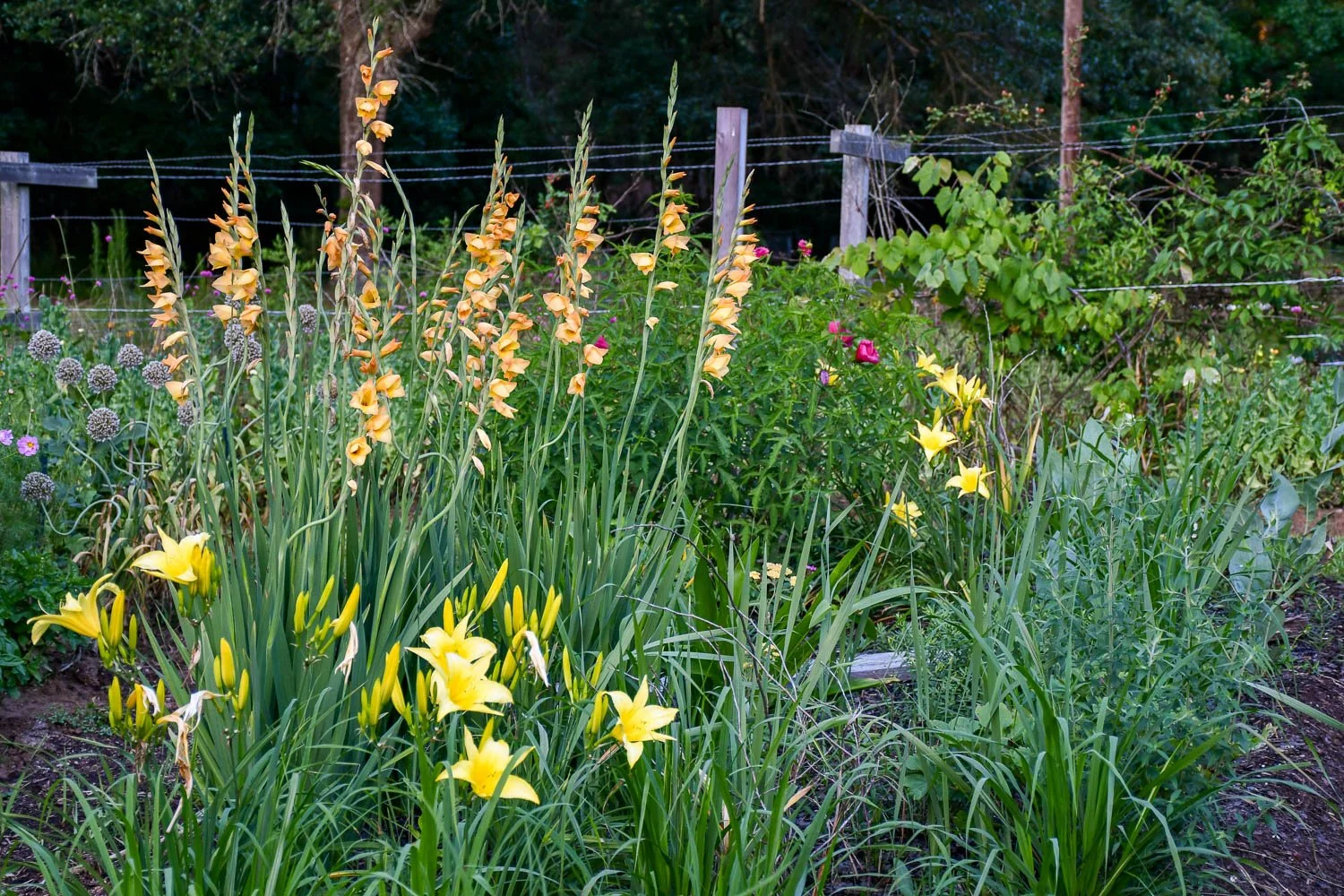
It happens to all of us. We plant large areas or pivotal spots with something wonderful and then failure occurs.
I’ve watched whole trays of Sporobolus heterolepis (prairie dropseed), selections of Veronicastrum virginicum (culver’s root), countless asters, and more die in my garden beds after planting. These plants could very well be considered reliable in other locales but not in my garden. Sure, sometimes it’s northern selections that can really struggle here, but even well adapted plants in the southeast in the wrong spot can fail, too.
You also no doubt have faced this challenge of knowing how a plant will grow on a site. If a plant is going to play a big role in your garden or design and it doesn’t perform well, that can create disappointment.
I have learned that having a small area of your own where you can evaluate plants before they are used across a site is very helpful. These trial areas can help you learn about a plant’s performance, growth habits, seasonal interest, and so much more. When a wild aster sends a shoot up 2 feet away you know it’s going to be a spreader, or if the plant just flops over that it may need a cut back prescribed as part of the yearly maintenance.
Many botanic gardens, growers, and horticulture companies have trial gardens to evaluate plants. These trials are large and comprehensive. They may feature many new plants that just came off the market or all plants of a particular genus like Chicago Botanic Garden and Mt. Cuba Center.
I have also heard of designers using trial areas. When I visited Hummelo years ago, Piet Oudolf had a nice section in the back where he had perennials arranged in nice neat rows.
Dan Pearson also wrote on Dig Delve about how when they were planting Hillside, they trialed plants like varieties of asters and Sanguisorba sp. (burnet) to see how they would perform on site before planting the garden. Dan also shared he’s using a similar approach for a new garden in Japan.
So, there’s nothing preventing you from having a small space off to the side to evaluate plants before they make their way into your plantings.
My trial areas came out of necessity for me early on. I got tired of watering rootbound containers on a daily basis. So, I planted an unused part of our fenced in patch area to get roots in the ground to reduce watering. The by product was that I could then learn that these trial beds were great for evaluating plants. I primarily do this with perennials, though I have trialed the odd shrub or two. Trees are too big for such areas, and they are more cumbersome to transplant afterward.
In these trial areas, I space plants 2 to 3 feet apart. If I know that they will grow larger, I might give them some more space and also tuck smaller things underneath. I don’t do any extra pampering like watering and fertilizing that I wouldn’t normally do to my garden beds. I do keep these spaces mulched so that I don’t have to deal with weeds as much. Also, I find that embracing repetition and putting a couple of multiples in the space helps it seem like it’s not just a hodge-podge of miscellaneous plants.
And, then when I’m ready to use the plant in my garden, I wait for it to go dormant, and relocate it to the desired space. Not everything that gets trialed gets used. Plants that die or that don’t rise to the occasion head to the compost pile.
It’s important to keep notes on such spaces. You need to write down identities of what is where because labels will be lost, pulled out by birds (yes, I’ve had this issue happen!), or plants will go dormant. Also, I try to note in these spaces when plants are in bloom. You can start discovering good color combinations from putting a myriad of plants together.
For example, this past spring, I replanted a trial area where I had been holding plants for the past several years. As it has filled in over the past few months, I’ve noticed an inadvertent plant palette beginning to appear.
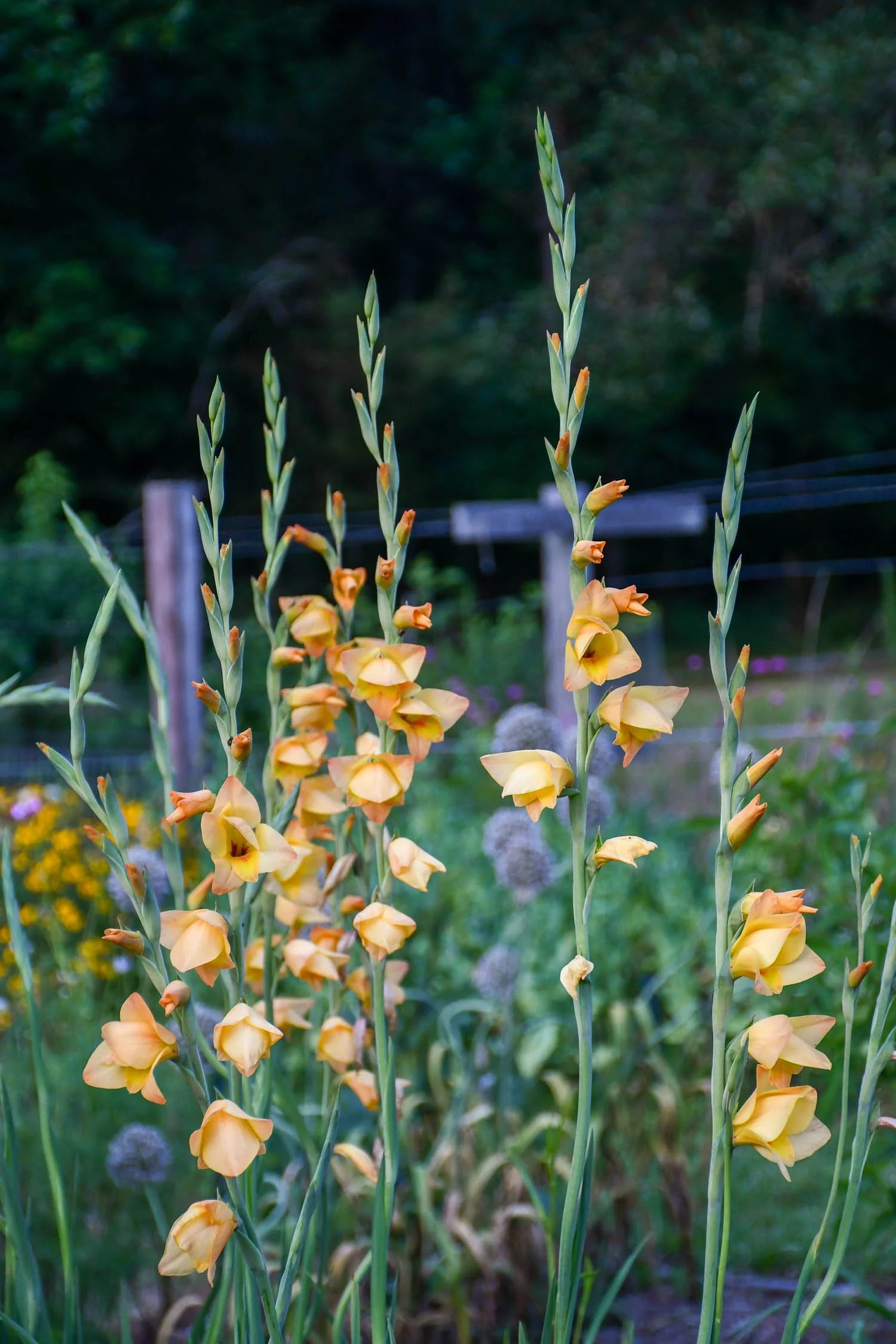
Gladiolus dalenii ‘Boone’ (hardy gladiolus)
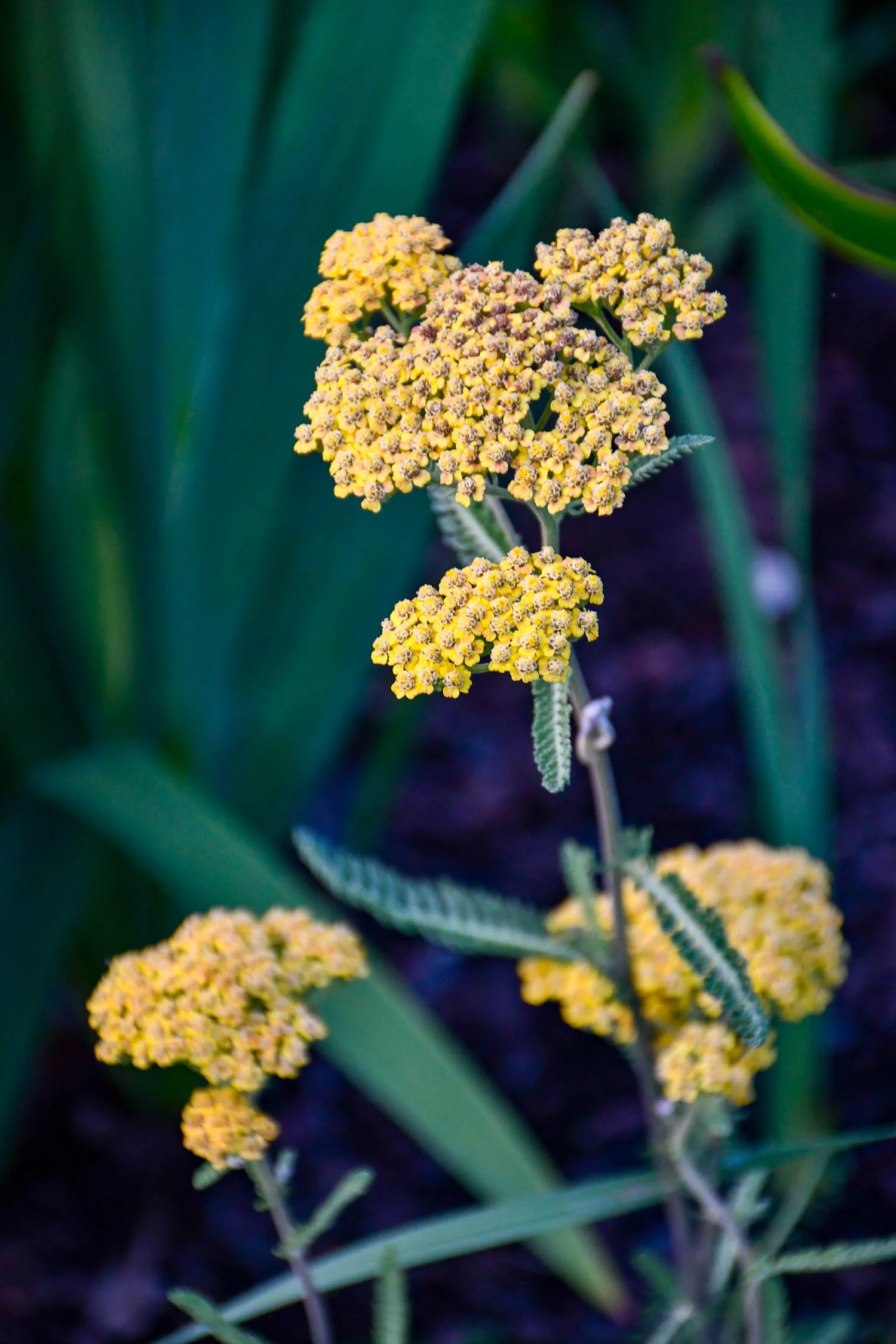
Achillea millefolium ‘Terracotta’
The bed has some robust clumps of Gladiolus dalenii ‘Boone’ (hardy gladiolus) that I haven’t found a good area for yet, and I noticed that the nearby Achillea millefolium ‘Terracotta’ has the same color as the flowers. I have an old-timey daylily that I believe to be ‘Hyperion’ that is an incredible flowering specimen. They are very near my collection of Rudbeckia alismifolia (rough coneflower). I also have had decent success so far with Dahlia ‘Cornel Bronze’ (dahlia) I bought at a garden show in South Carolina back this February.
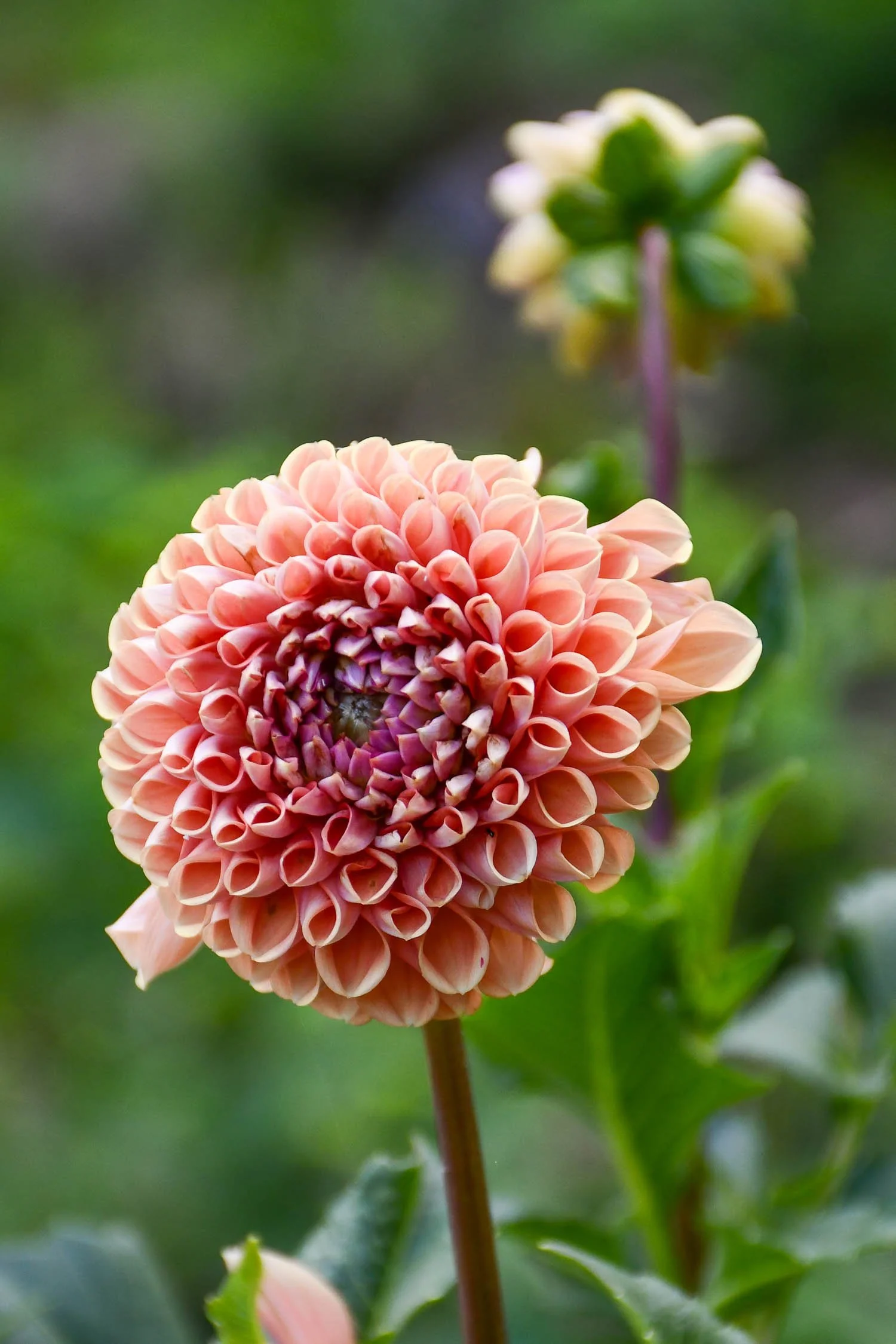
Dahlia ‘Cornel Bronze’ (dahlia)
To continue the peach-orange-yellow colored theme, I have around 50 seedlings of local germplasm of Asclepias tuberosa (orange milkweed) waiting for their future spot that have just started to bloom. You see, these spaces can also be holding areas for growing on seedlings or small plants.
I also have Tridens flavus (purpletop tridens) that I started from seed to evaluate how they will do in a planting, and they are acting as a matrix of sorts to tie the whole space together.
I think that’s the beauty of these spaces is that there is so much to learn and discover by throwing some plants together. So, try a trial space in your own garden. Start killing the grass now so that the spot will be ready this fall or next spring. With such areas, you can’t help but win from learning about what plants will grow.