What Spring Reveals
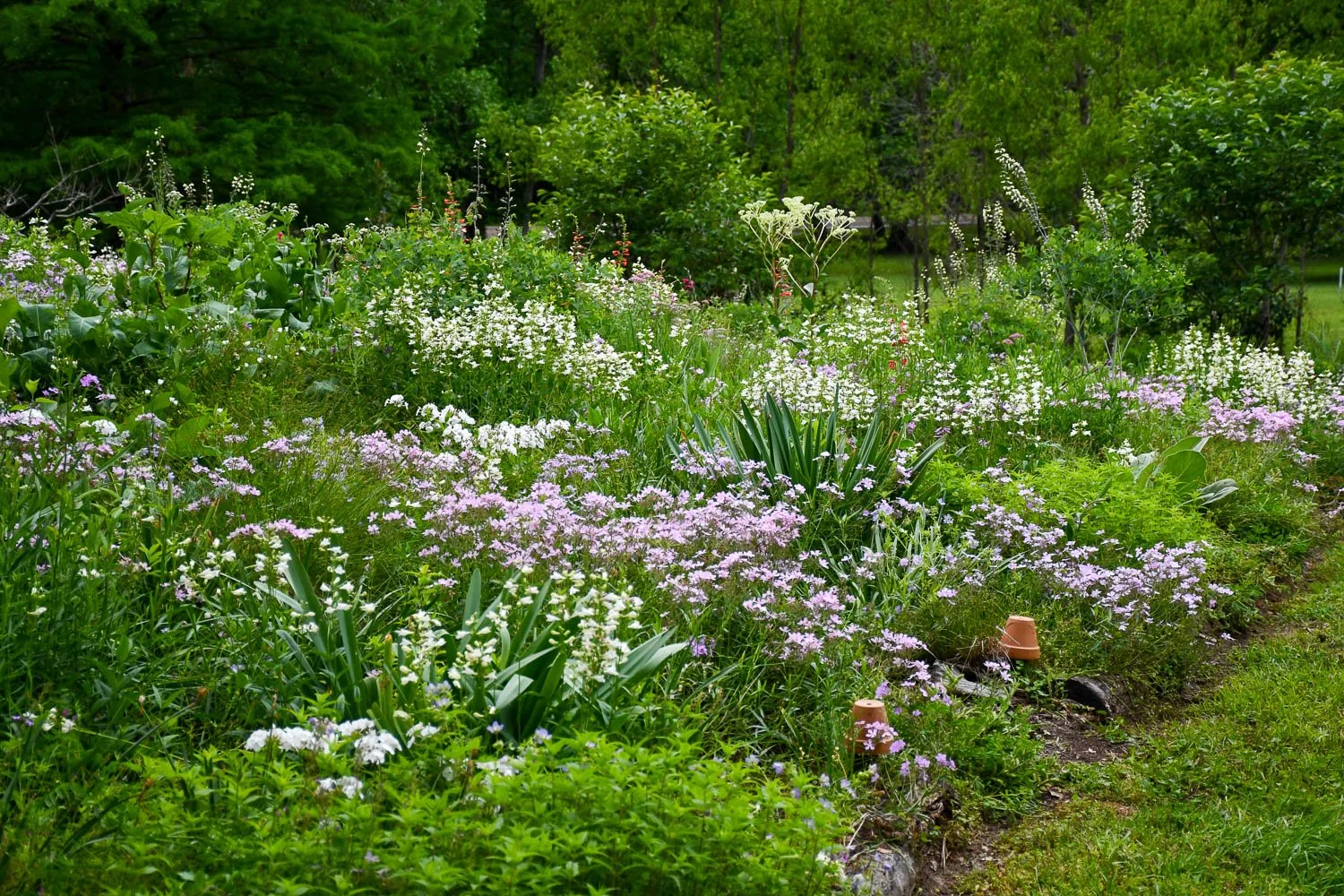
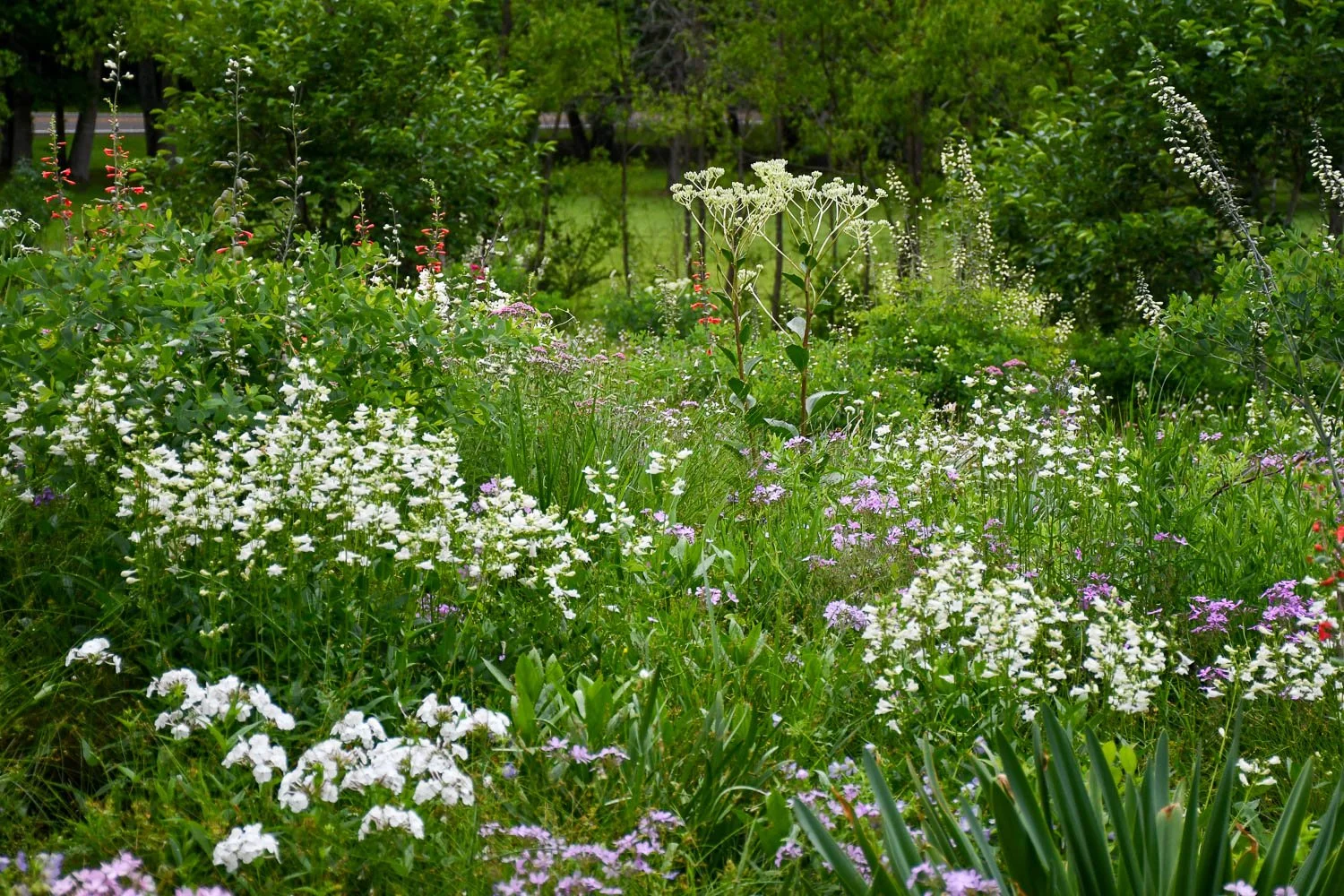
Spring is always crazy, but this year it has been on steroids. As we reach the end of the semester, I’m taking a moment to reflect on the garden at the end of April (header image). After the haze of the spring semester, it makes me happy to see the plantings around the house reaching peak with a lighter touch this year. I believe getting to this point with a planting is what gardeners desire.
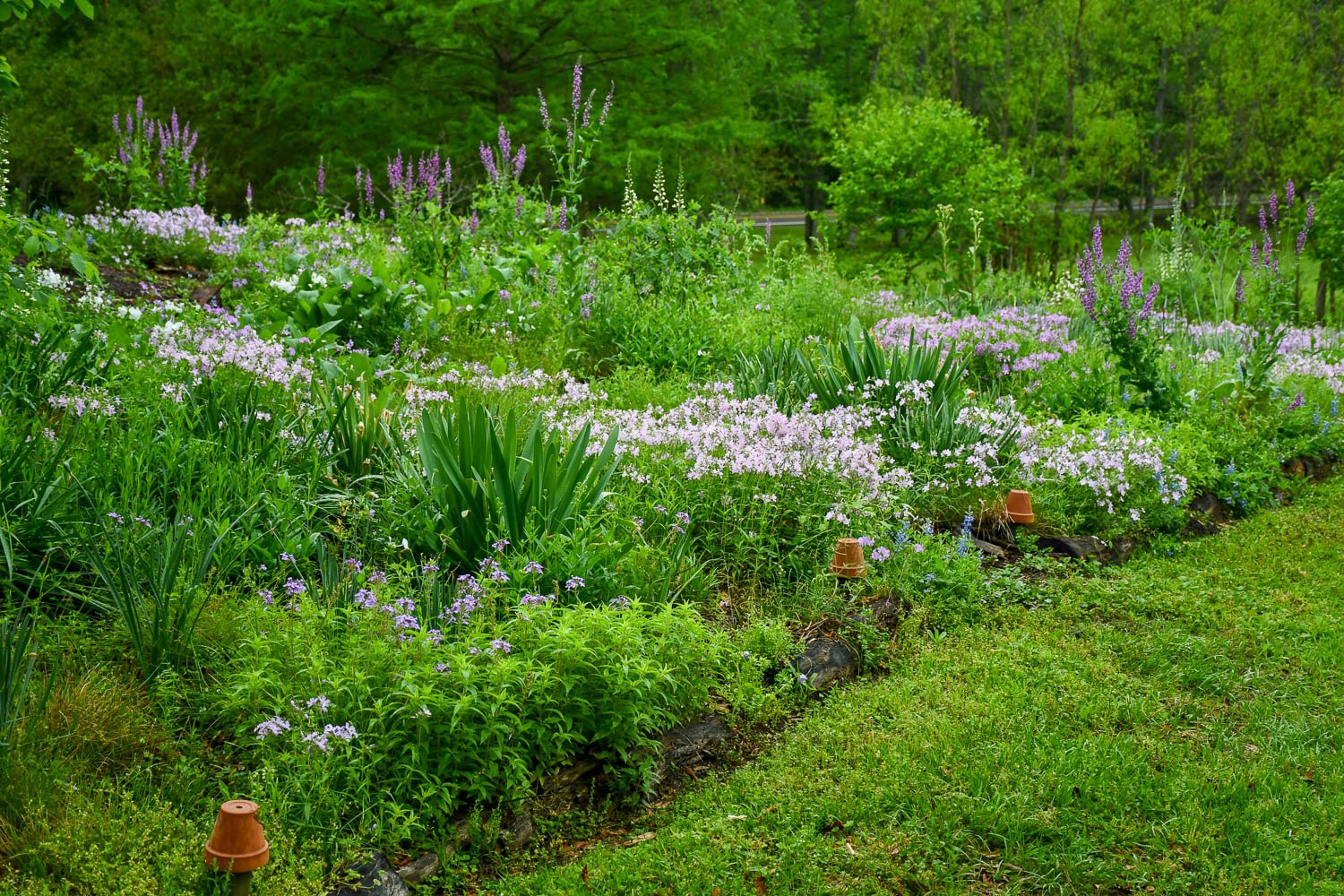
The beds in early April. Streptanthus maculatus (clasping jewelflower) rises above the beds, and Phlox pilosa provides groups of color.
I’m trying to think of what attention we’ve given the beds this spring. There was the February cut back. We’ve made a couple good passes through dealing with cool-season weeds; however, it feels like there are fewer weeds this year, which shows that my attention to covering the ground and weeding over the past few years is paying off. Geranium carolinianum (Carolina geranium) and Vicia sativa (common vetch) tend to be the worst ones. And, I moved a couple of plants around—added two Amsonia tabernamontana ‘Storm Cloud’ (blue star), divided some Penstemon murrayanus (coral penstemon), and moved Fothergilla milleri ‘Redneck Nation’ (Miller’s fothergilla) to a spot I think they will be happier.
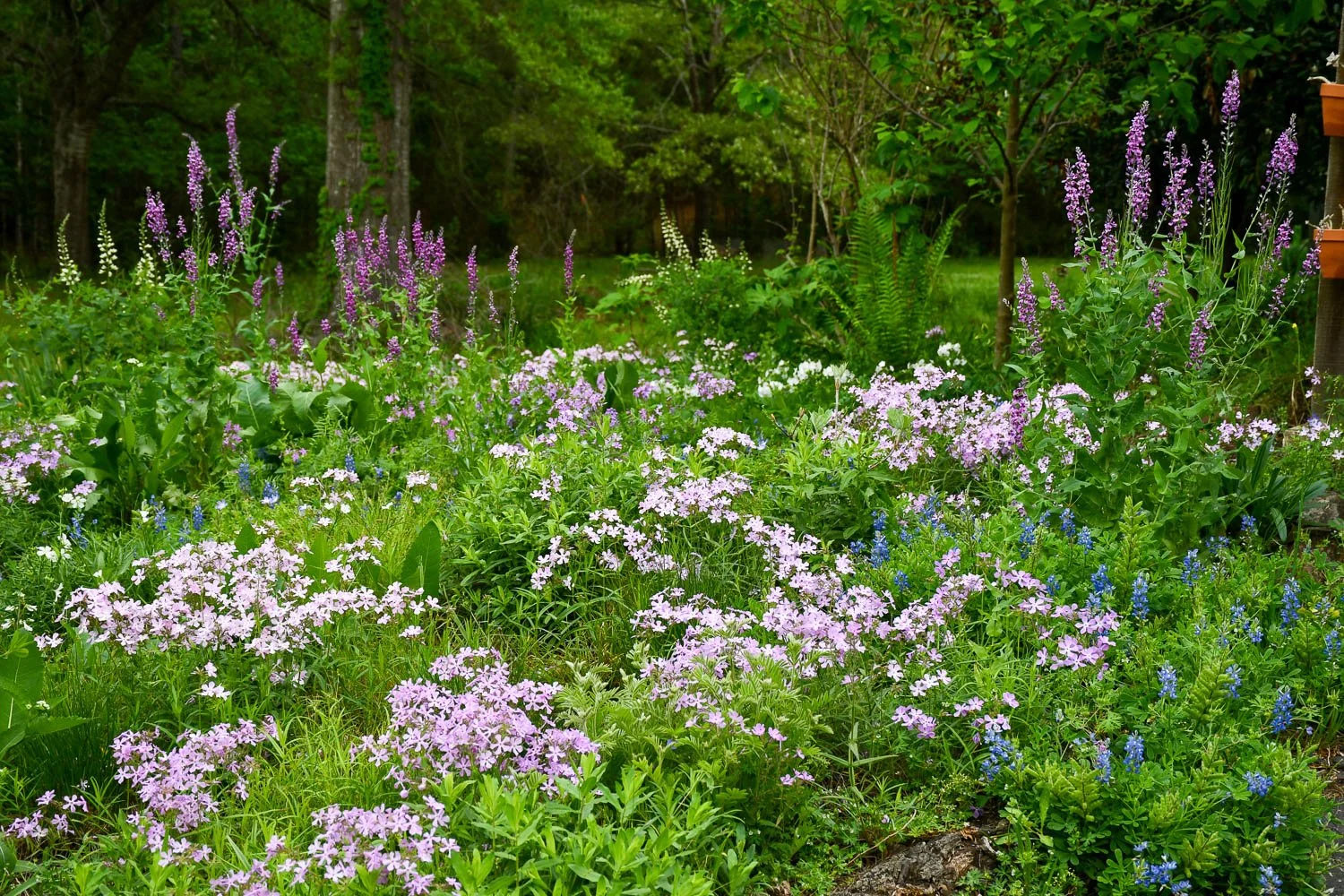
Early April at Ephemera Farm. Streptanthus maculatus (clasping jewelflower) rise above the other plants in the bed.
One other change that I made this year was applying minerals to my garden beds. I figure increasing the other nutrients but keeping nitrogen low to limit growth can help optimize plant health. I applied langbeinite, a mineral that contains potassium, magnesium, and sulfur to the bed since soil tests showed that my garden was still low in these nutrients. I’ve noticed fewer instances of mid-day wilting, which is a symptom of potassium deficiency. I also added some rock phosphate, a slow release form of phosphorus to help aid in blooms. Plants appear to be more robust this spring, but that’s just from anecdotal observations I’ve made.
Other than that the plantings have mostly taken care of themselves. But, let me be clear. The garden isn’t perfect. There have been some issues mostly out of my control. About a month ago, we had a hard freeze of 24.6 °F. It slowed down the perennials, but the biennials made it through fine. I saw no damage on Streptanthus maculatus (clasping jewelflower), Nemophila phacelioides (Texas baby-blue-eyes), and Lupinus subcarnosus (sandy-land bluebonnet). My main concern was the impact on our Baptisia alba (white wild indigo). I only ended up having a few Baptisia flowers abort on uncovered plants, and the majority bloomed just fine. I suppose they can survive one night ok, but from our lesson in 2023, two nights is too much.
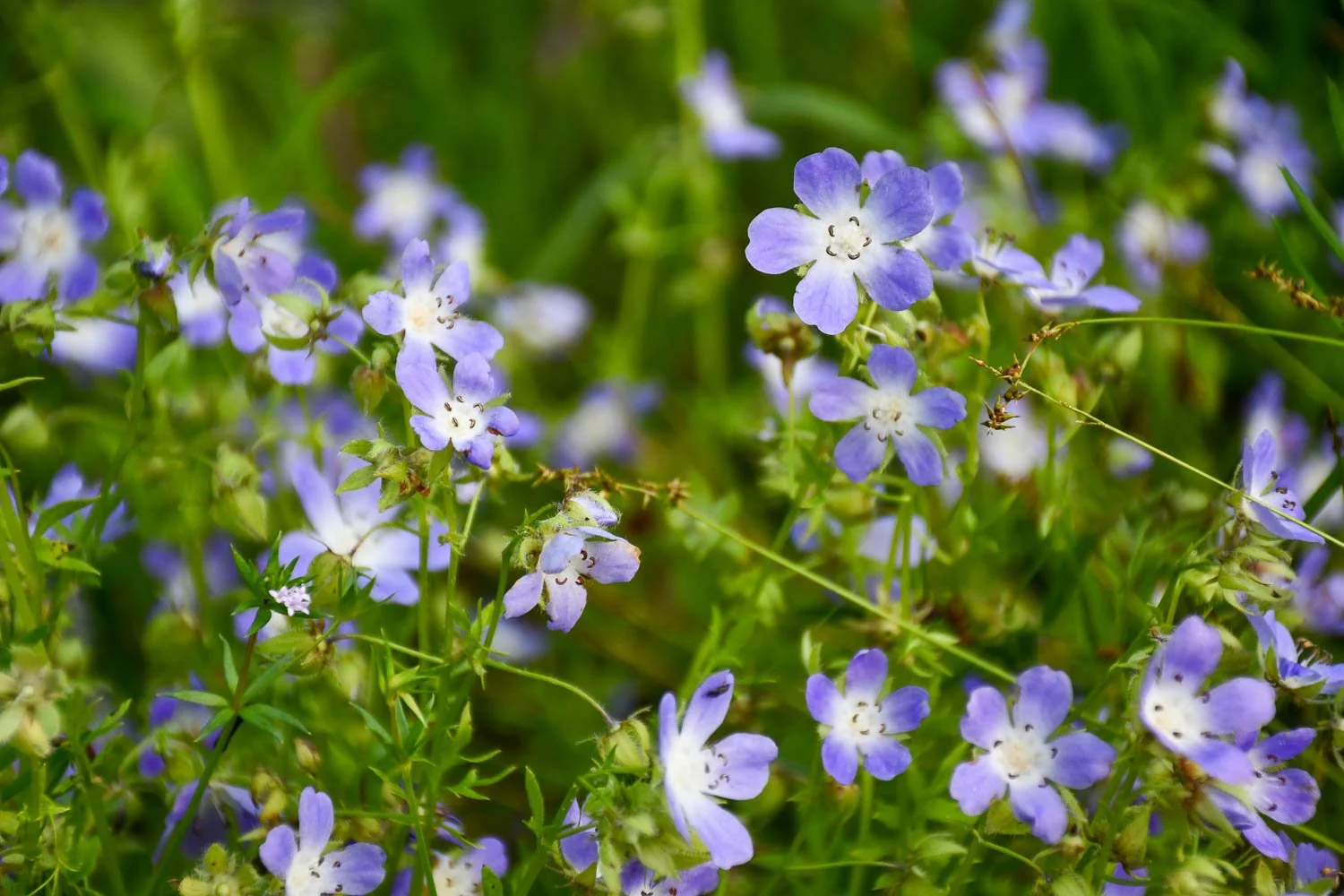
Nemophila phacelioides (Texas baby-blue-eyes) has started self sowing around in our garden. It makes an early great annual ground cover, but it doesn’t last long in our heat.
My clumps of Arnoglossum plantagineum (prairie Indian plantain) are a bit weaker. They have dense foliage but they aren’t flowering. I haven’t quite figured out why yet. Only three out of my ten or so bloomed, but that could be because the freeze weakened them. I’d hate to lose them, so I’ll be sowing some from seed this year.
The shoots from a single Arnoglossum plantagineum (prairie Indian plantain) rise above our garden.
They could also be weakening from voles. I have determined that voles are likely the core reason I’ve had gaps appear in the garden over the past year. When a dying Penstemon digitalis (foxglove beardtongue) has a hole at the base or a Carex texensis (Texas sedge) can be pulled half out of the soil because there are no roots left, I think it’s pretty obvious. I’ve been reading up on trap options. (And, fair warning. Ugly garden picture ahead!)
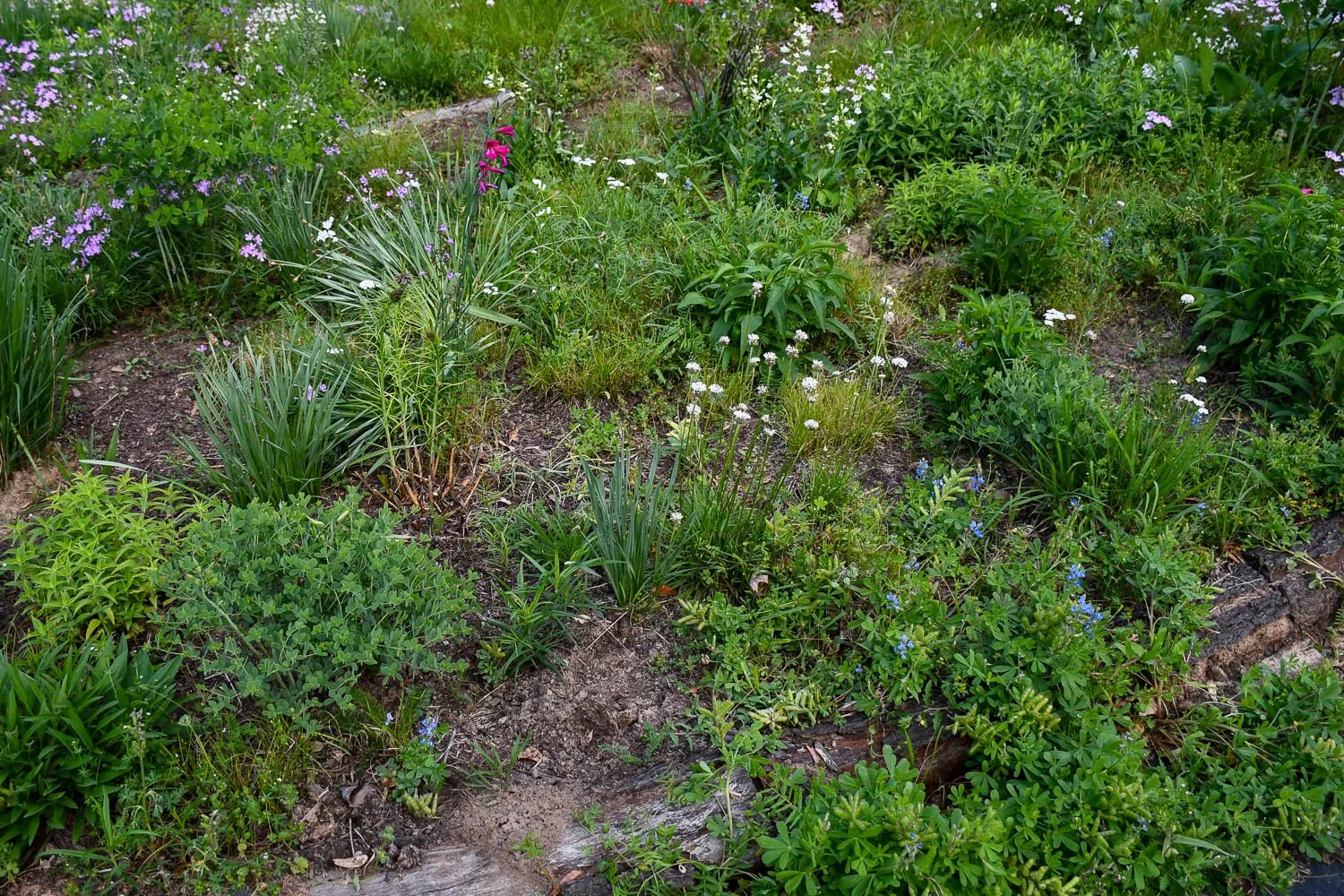
Ugly garden picture! Gaps in the garden likely due to vole damage will be filled with plants that have thrived.
But, I am amazed at what they really don’t eat, too. I’m not sure if they just haven’t gotten to them yet or if the plants are resistant to their herbivory, but it seems that some things should have died by now. The gaps have increased but I’m plugging them with plants that seem to be somewhat resistant to voles (as of this writing) like Parthenium integrifolium (wild quinine), Monarda stipitatoglandulosa (Ouachita beebalm), and Boltonia diffusa (doll’s daisy).
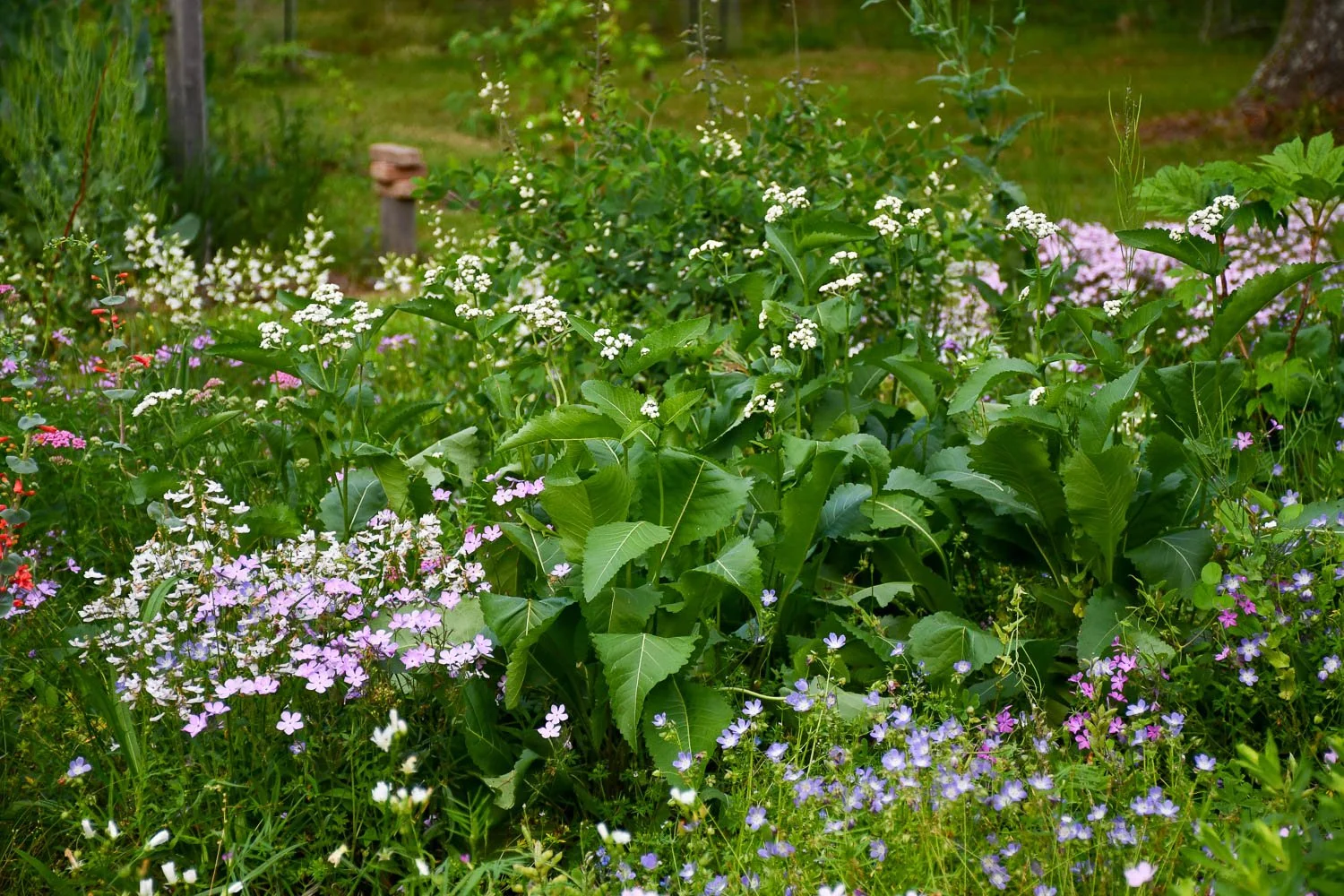
Parthenium integrifolium (wild quinine) is a new addition to the garden. It has bold foliage amongst the finer textured plants. Further north, I see these bloom into the summer, but for us they are usually finished flowering by the end of May.
April is now over, and the spring show is starting to conclude. I have made the spring display better over the years by taking notes of changes that I want to make for next year in the winter. Some notes include move crowding plants, thin what is getting too congested, and get more ground cover species so that when the spring cast of characters go dormant there’s less of a gap.
But, for now I’ll enjoy the show. Enjoy a few more photos of the garden below.
And if you want to learn more about designing these type of plantings, check out my class The Naturalistic Planting Primer.
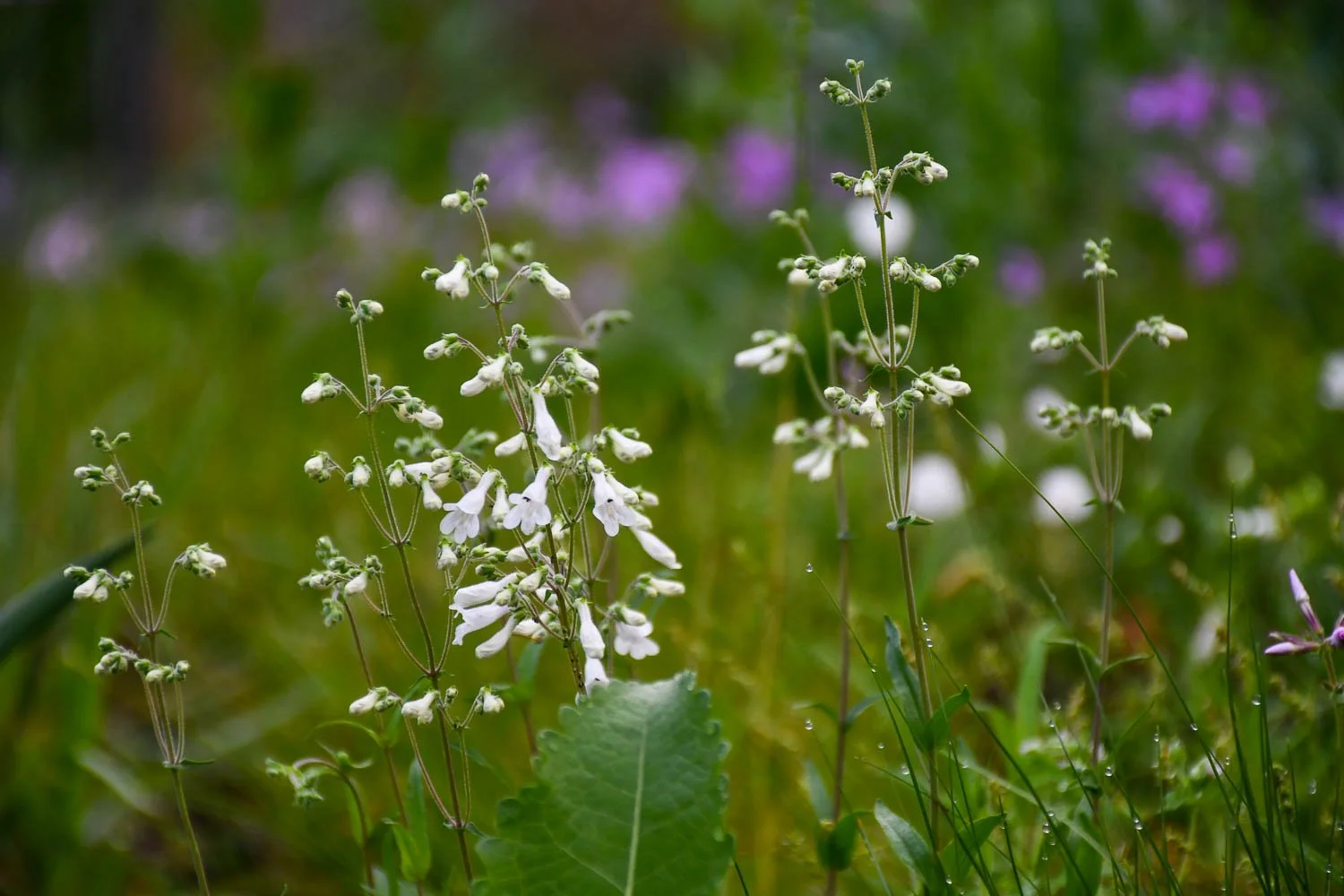
Penstemon arkansanus (Arkansas penstemon) blooms with dainty flowers early in spring.
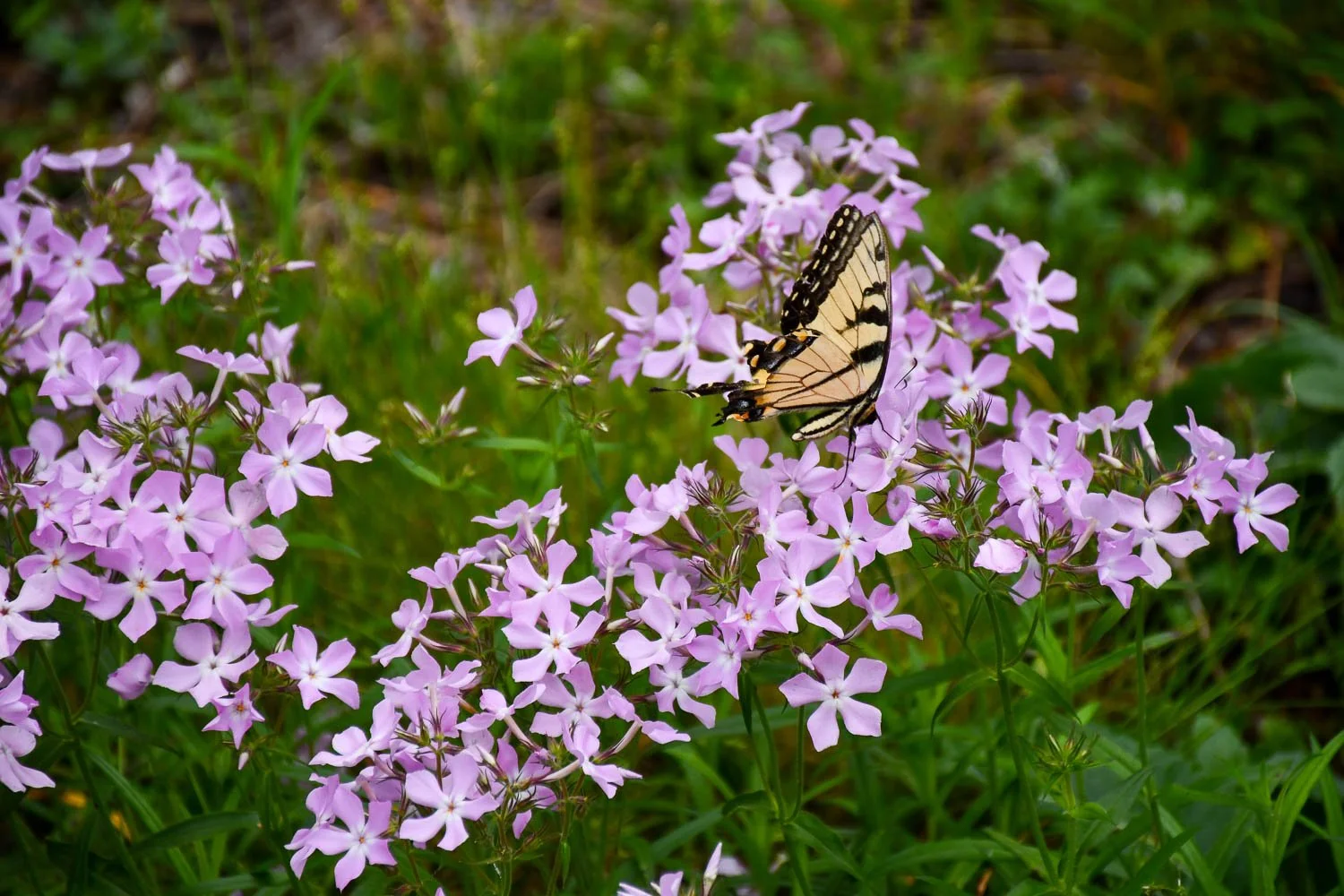
Phlox pilosa ‘Bonnie’s Pink’ (downy phlox) is a favorite of butterflies like this tiger swallowtail.
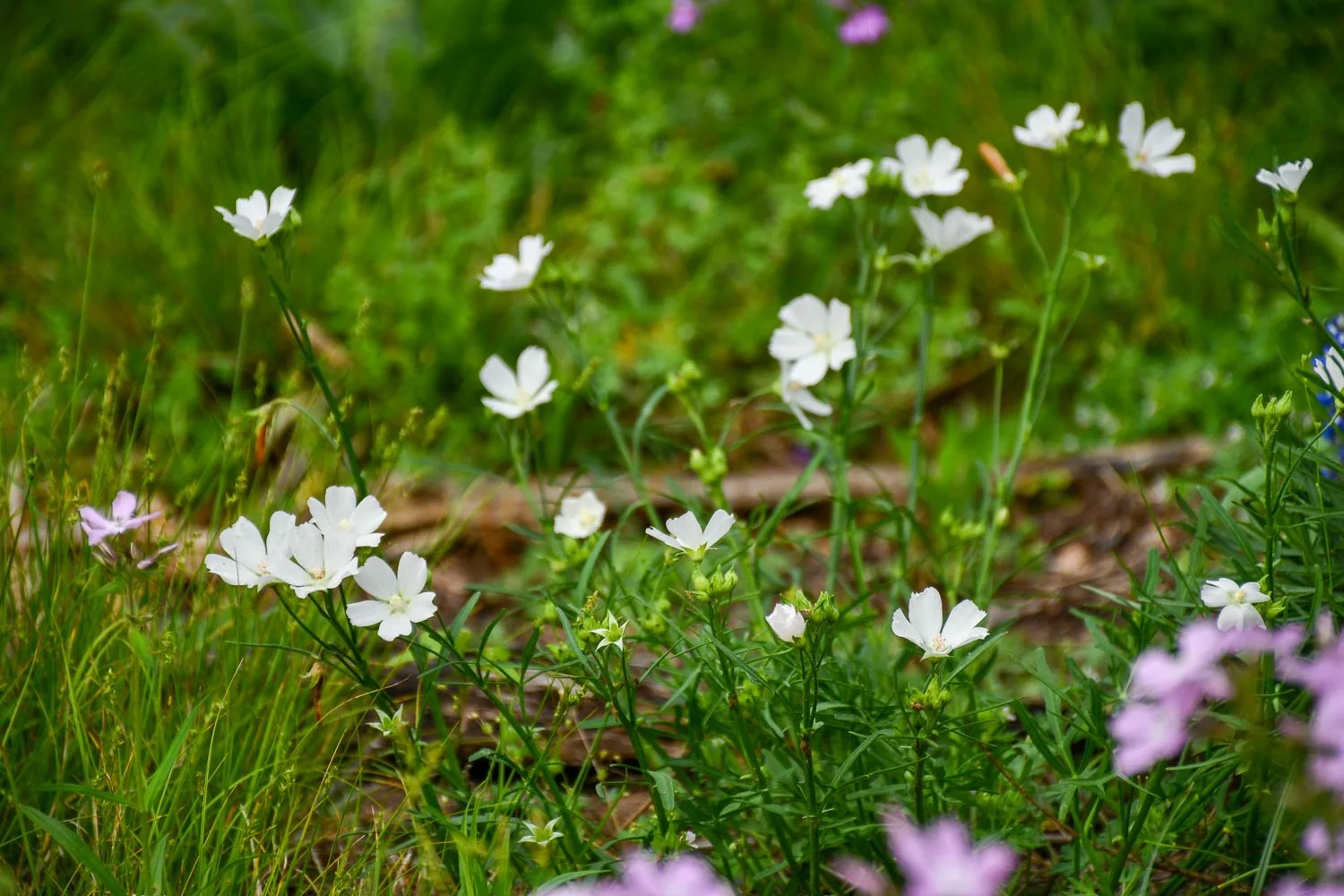
Callirhoe alceaoides (white poppy mallow) has a knack for weaving itself through perennials.
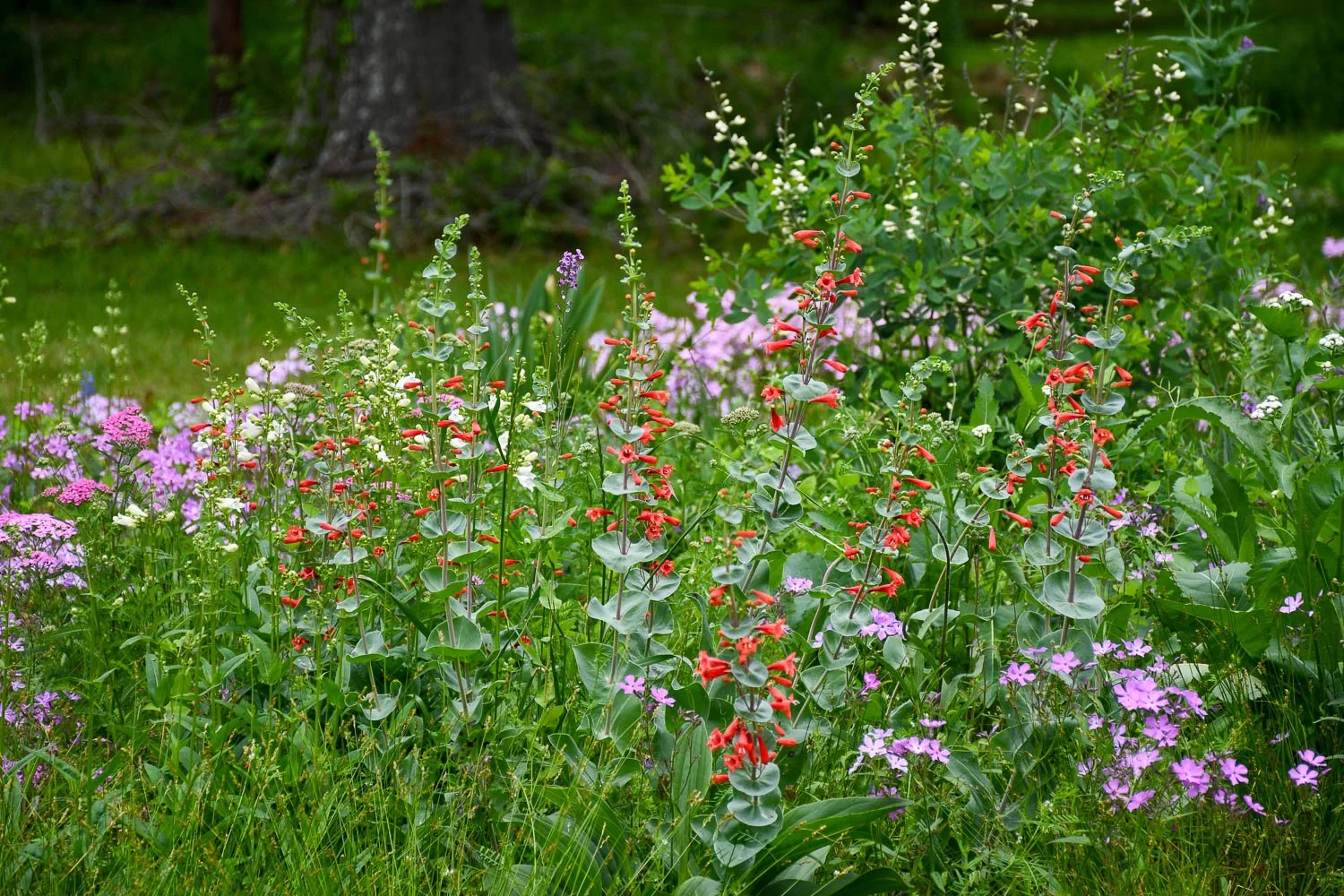
Penstemon murrayanus (coral penstemon) is one of my favorite perennials. It has such a brilliant color and such interesting foliage.
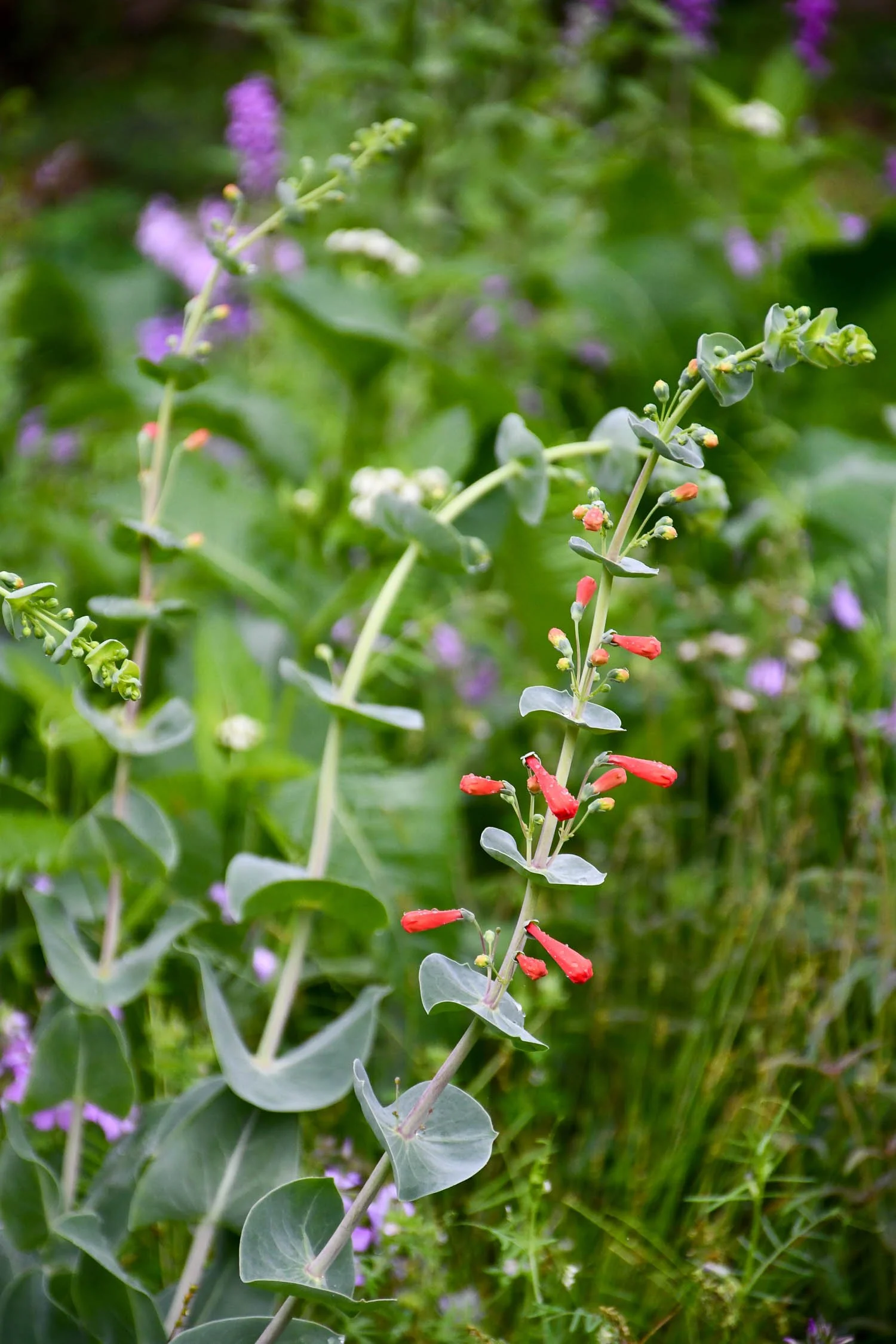
I love the glaucous blue leaves that wrap around the stem of Penstemon murrayanus. We call that character perfoliate.
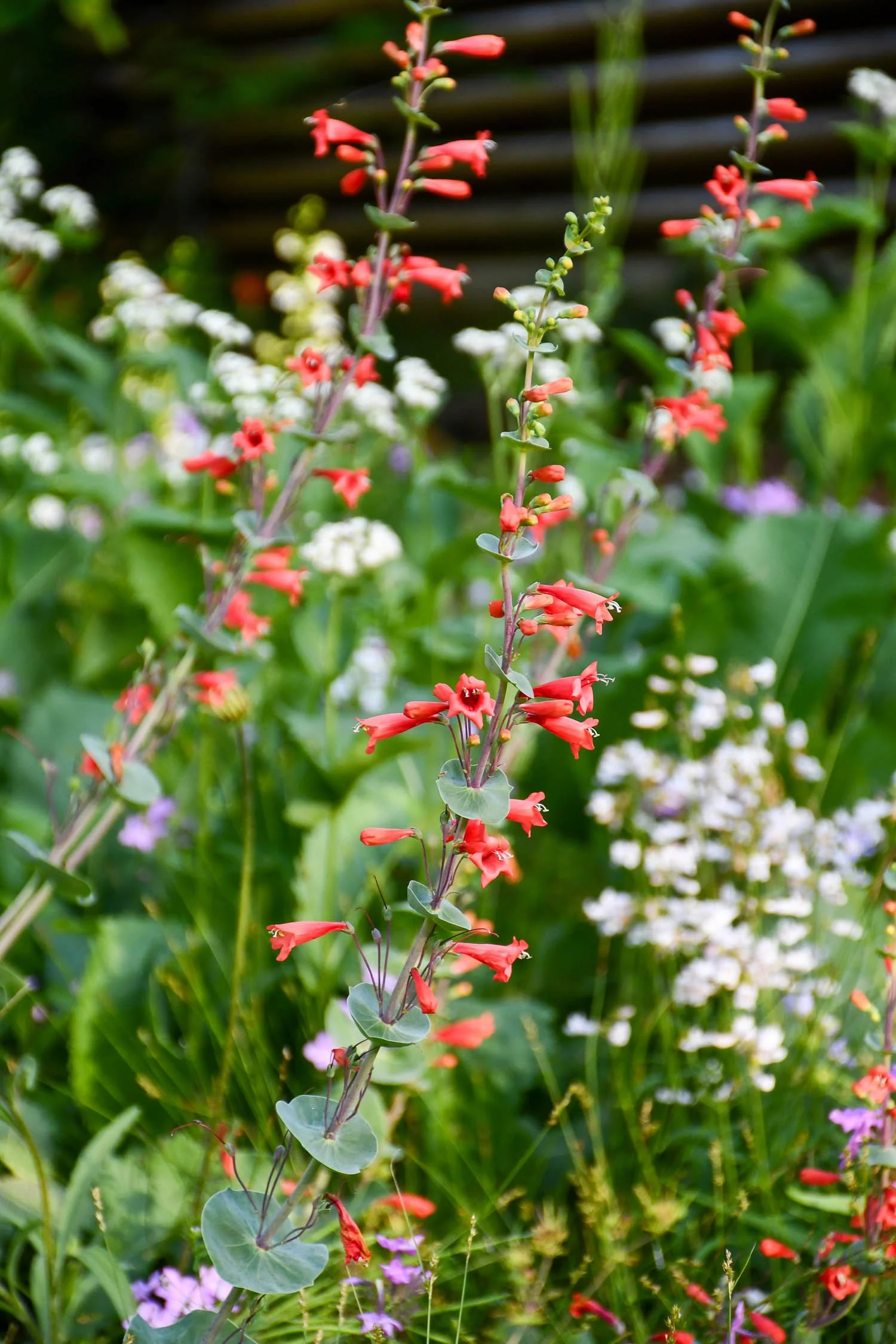
And, when they bloom they have racemes loaded with coral funnels.
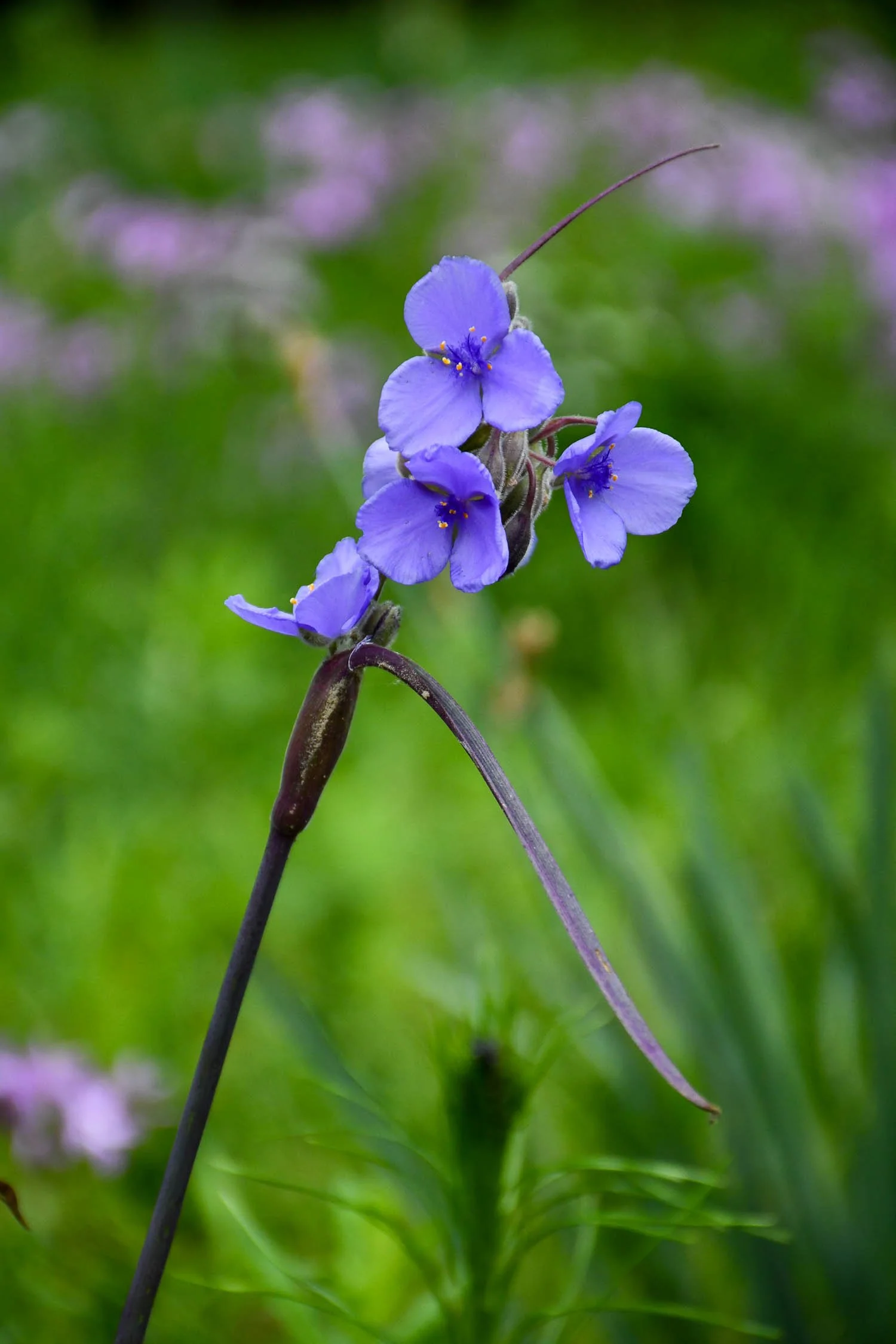
These purple form Tradescantia gigantea (giant spiderwort) are always a strong color contrast in the garden.
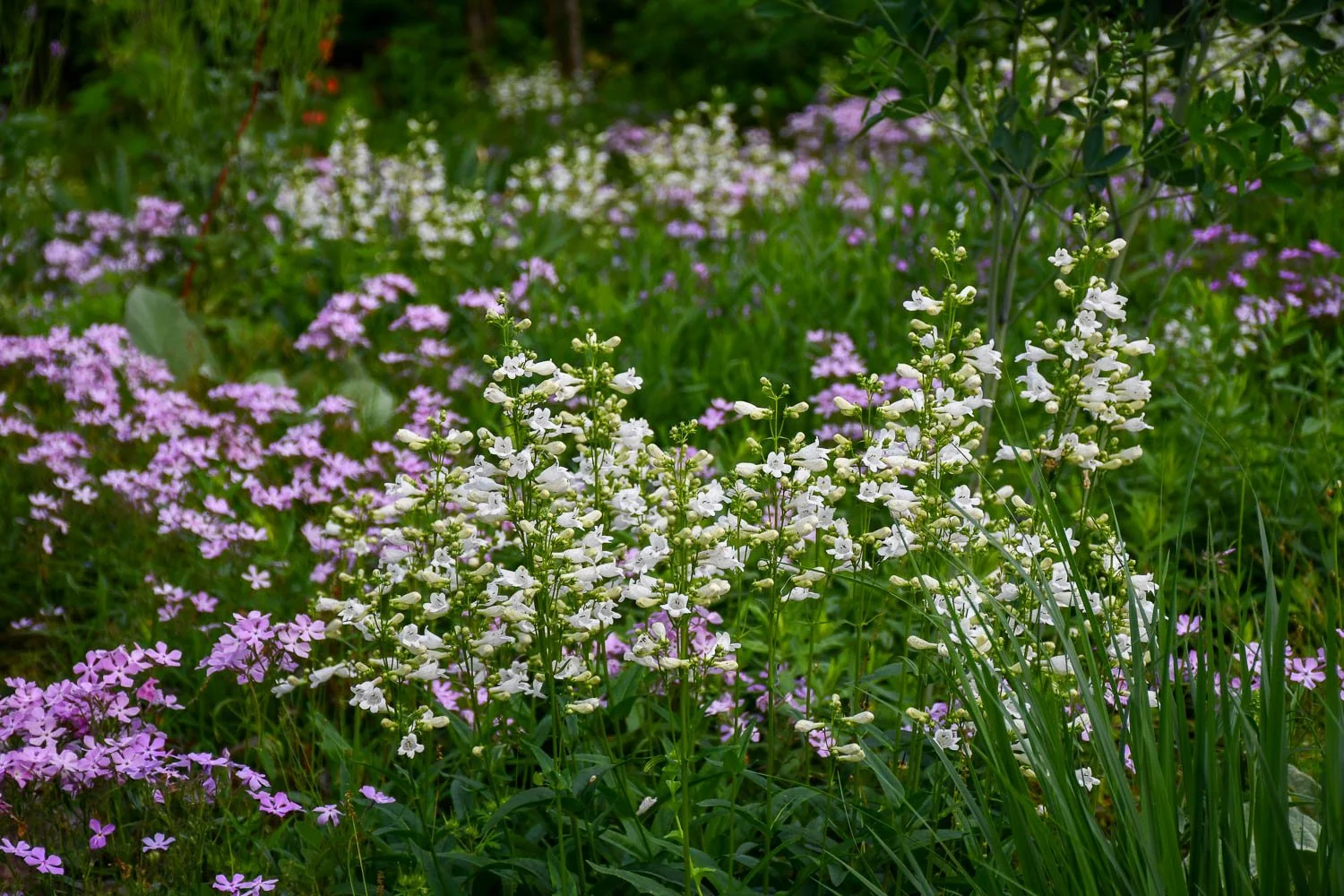
I’ve enjoyed over the years watching the Penstemon digitalis (foxglove beardtongue) increase in number.
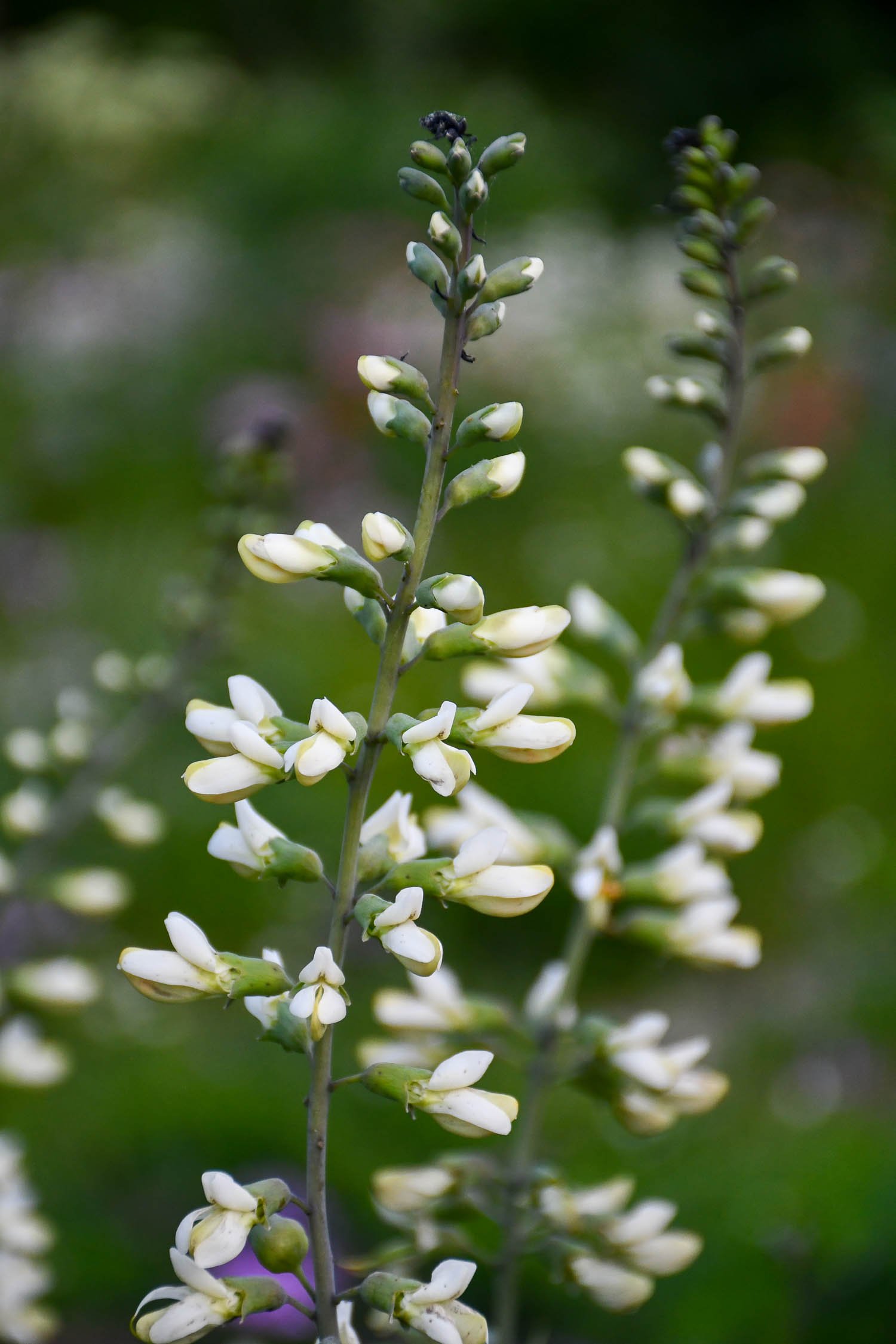
Baptisia alba (white wild indigo) is a primary plant in our garden in the spring. The spires rise above the plantings.
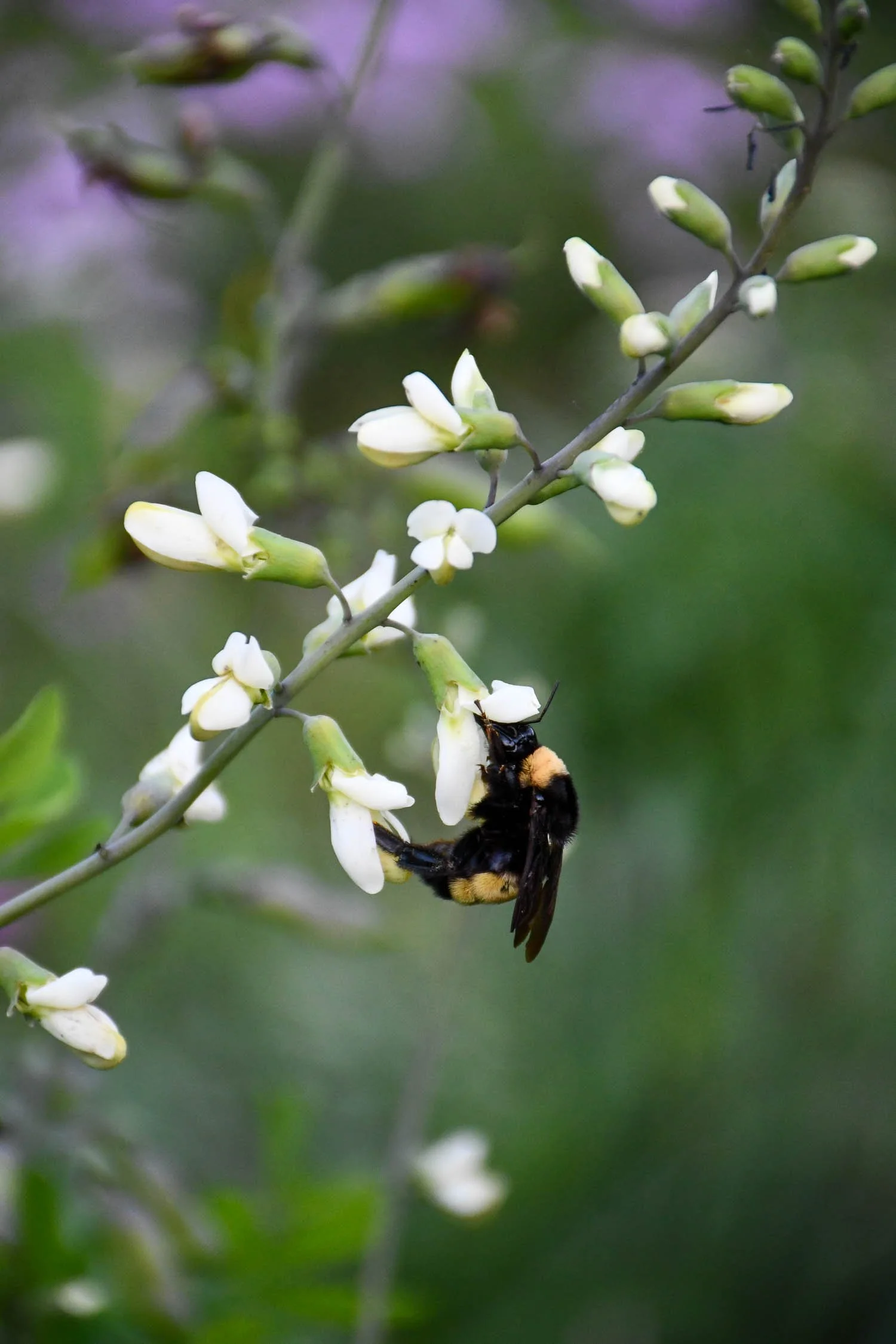
Every evening we enjoy watching American bumble bees visit the flowers of Baptisia alba (white wild indigo).
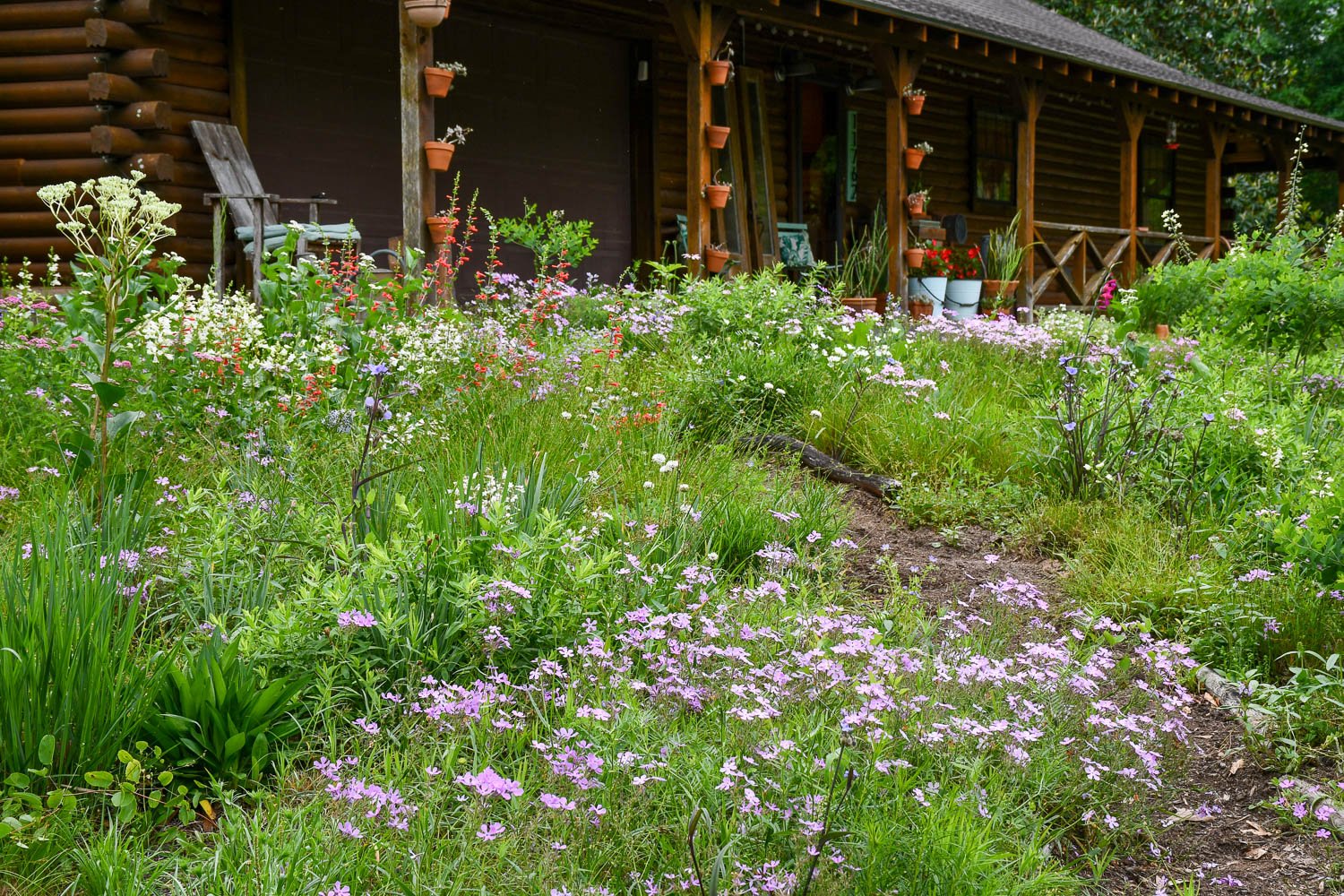
A glimpse of our garden looking toward the house.
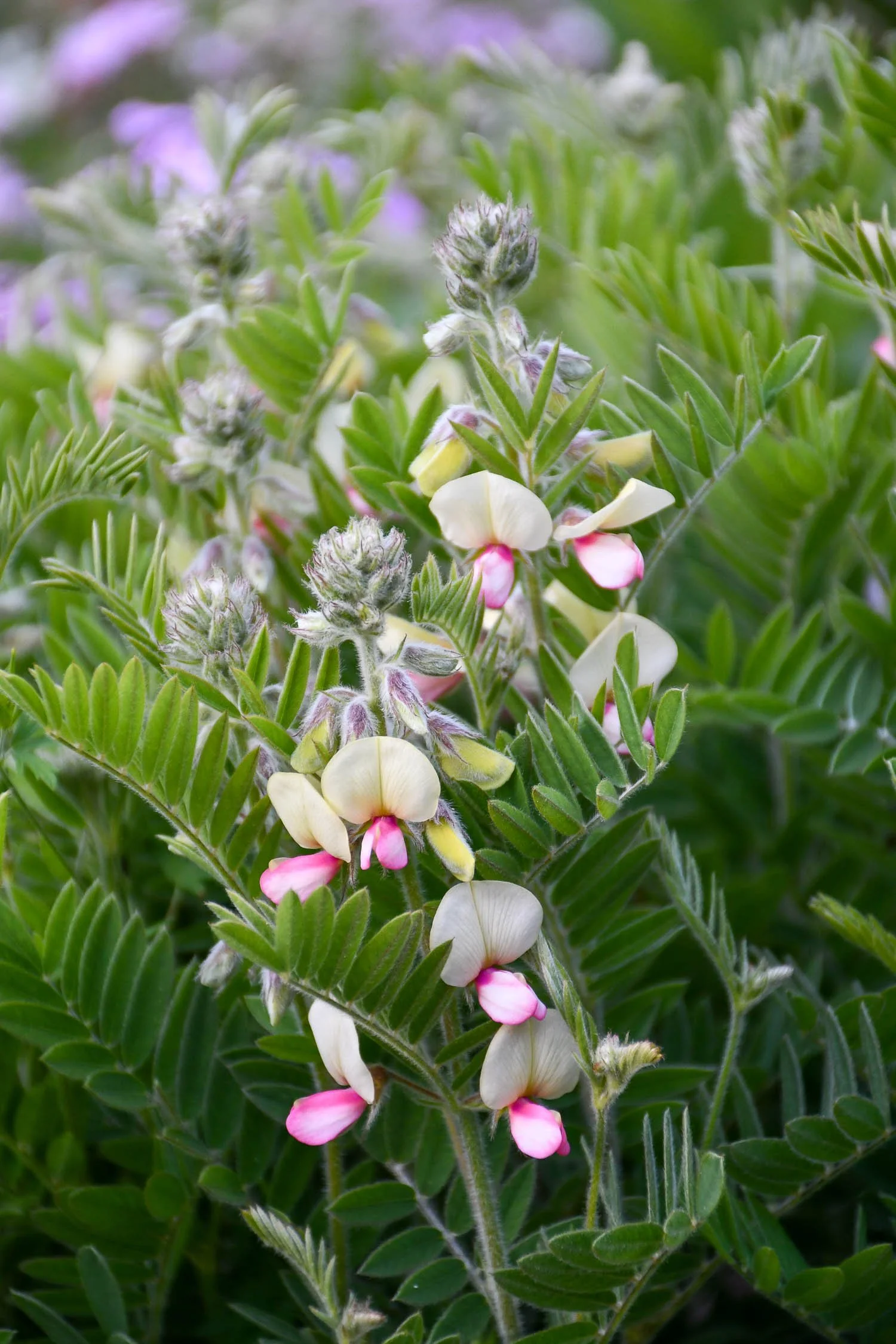
Tephrosia virginiana (goat’s rue) is a wonderful underutilized native with lovely yellow and pink flowers.
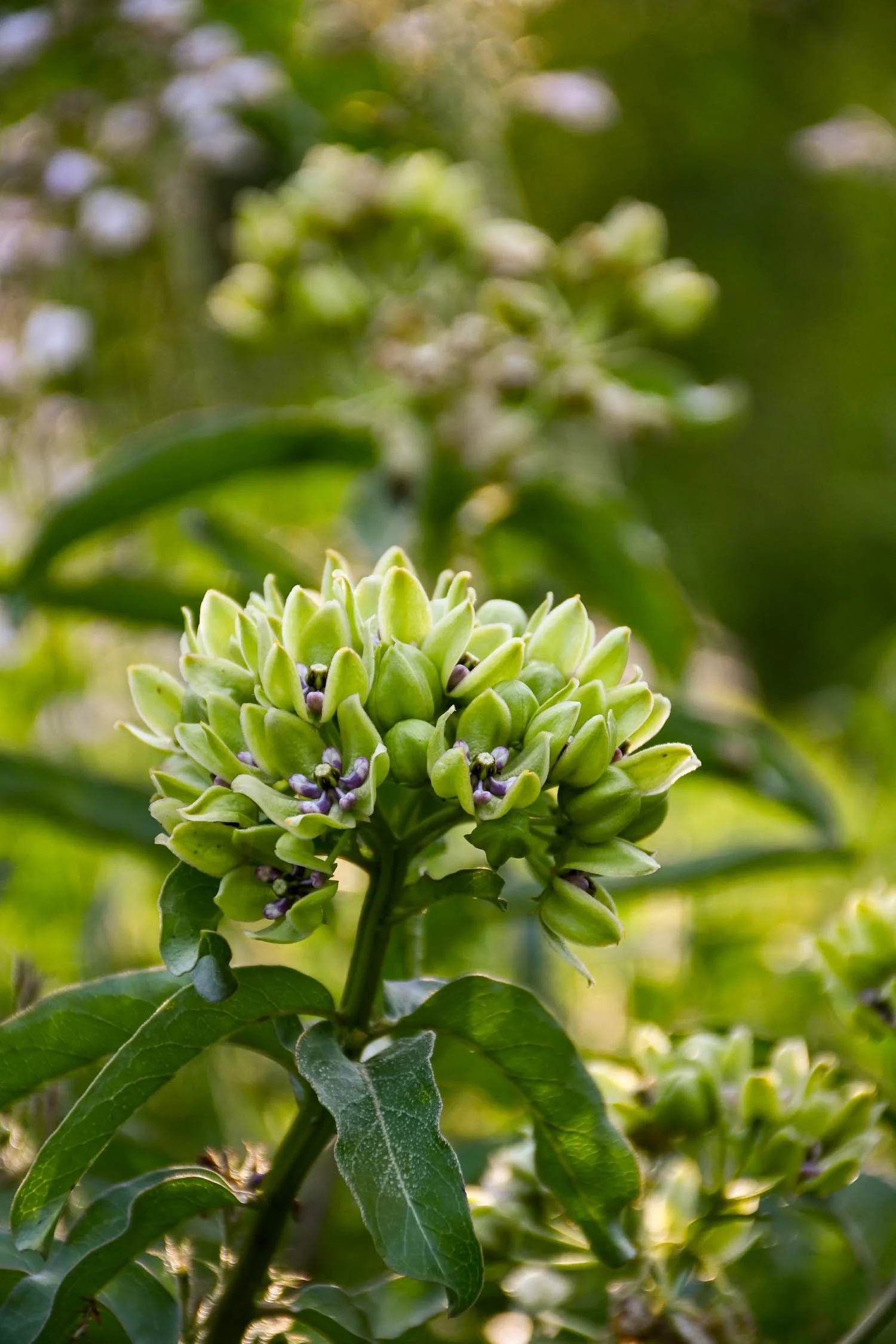
Asclepias viridis (green milkweed) is our most populous local milkweed species.
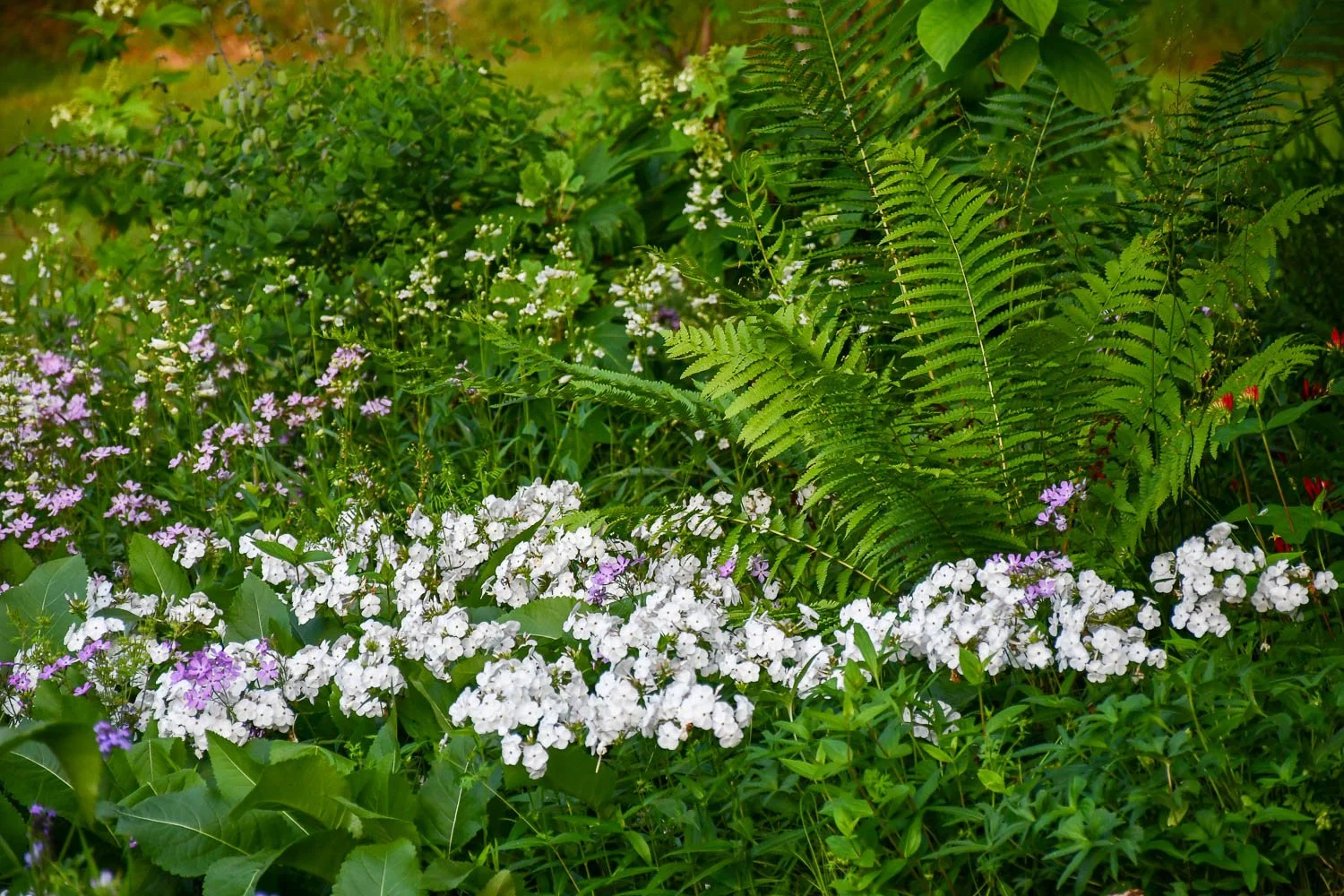
Phlox ‘Minnie Pearl’ (phlox) is a wonderful seasonal filler amongst Osmundastrum cinnamomeum (cinnamon fern) and the foliage of Parthenium integrifolium (wild quinine).
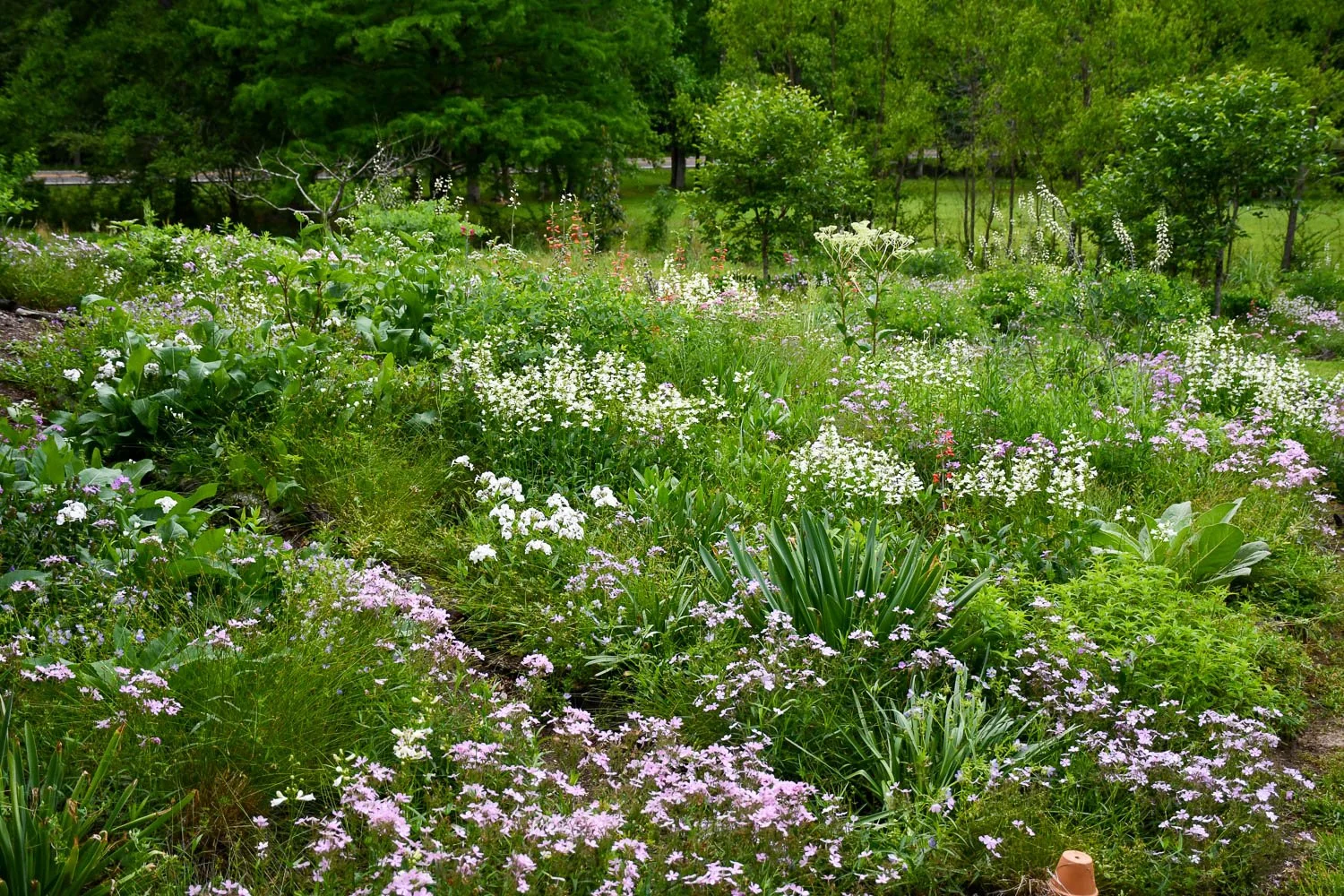
The garden looks good still as we leave April behind and welcome May.
KEEP GROWING