Silphium perfoliatum | cup plant
It has been miserable the past few weeks outside. Since July 25, we’ve been above 99°F every day save for one where a storm teased rain and then collapsed after it crossed the county line. At least it left us with cloud cover.
Our last decent rain was an inch on July 13. Sure, the US Drought Monitor website shows we are in the least severe level of drought, but I trust my eyes more than the map. On my drive into town, I pass several large trees that have fully turned brown. And, brush on the outskirts of our property looks wilted and sapped of life.
Yes, it is a brutal time for the garden and gardener. My eyes are ever watchful for plants that are able to survive the baking conditions of our many hundred-degree days in the summertime with no significant rainfall for weeks. These species are automatic winners in my book, and it is even better when they are native and support a host of pollinators.
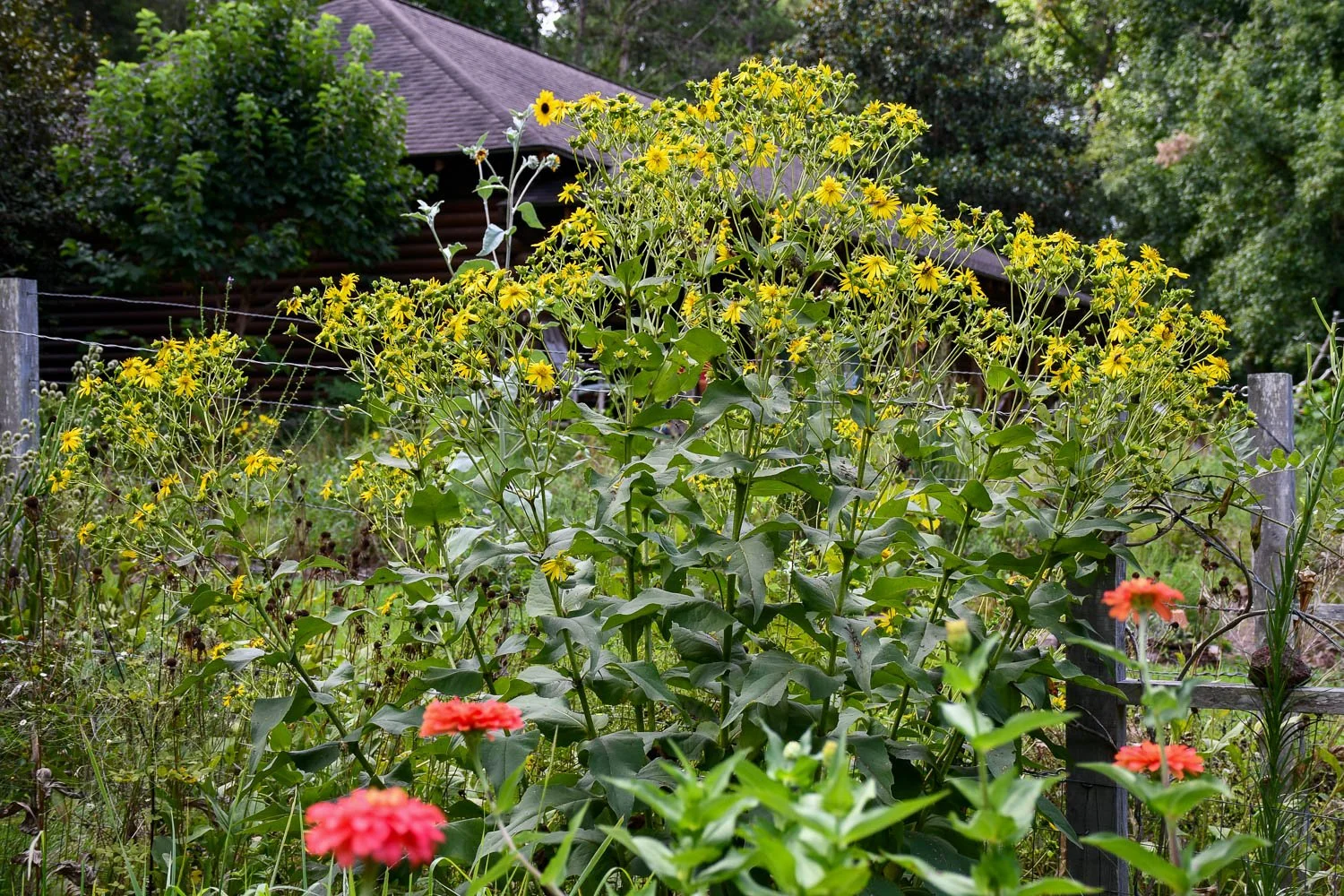
One plant that's continually impressed me during the dog days of summer over the past few years is a Silphium (cup plant) I got from Ethan Kauffman of Stoneleigh, a botanic garden just outside Philadelphia that focuses on native plants. When he sent it, we both thought it was Silphium glutinosum (sticky rosinweed), a plant I'd inquired about on a tour a few years prior when PPA was visiting. Once it matured, it didn't look the same. Ethan said I'd likely gotten some type of Silphium perfoliatum (cup plant).
However, I have not been disappointed by the mixup as this species has become a fantastic primary plant in my garden. I love its presence in the garden from the bold perfoliate foliage. Perfoliate means the leaves wrap around the stem and form a depression, and this basin can hold water, hence the name cup plant. Silphium are known for having good root systems that make them drought tolerant. I suppose that also helps the plant hold itself up well.
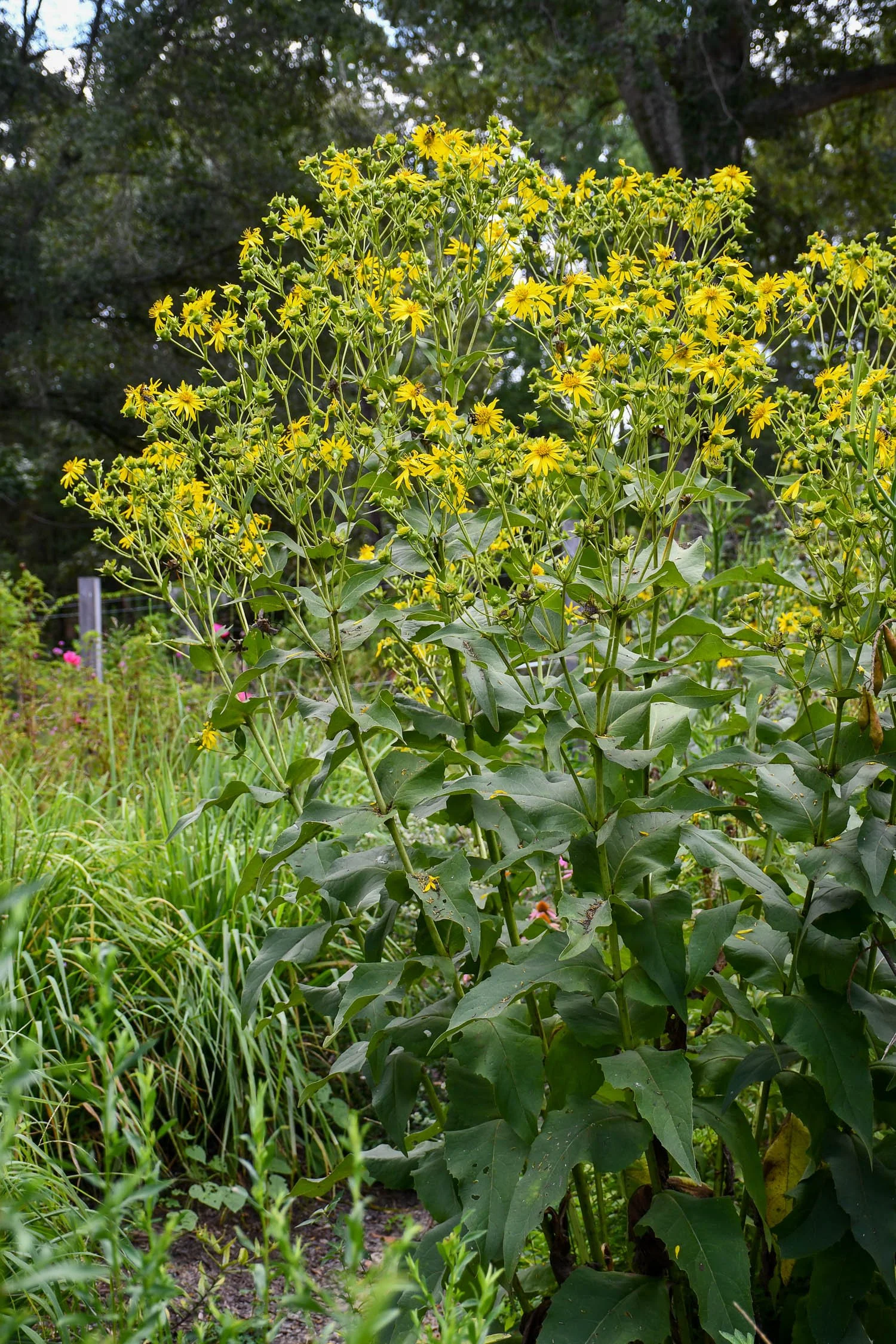
Silphium perfoliatum (cup plant) rises in the garden with its stately foliage.
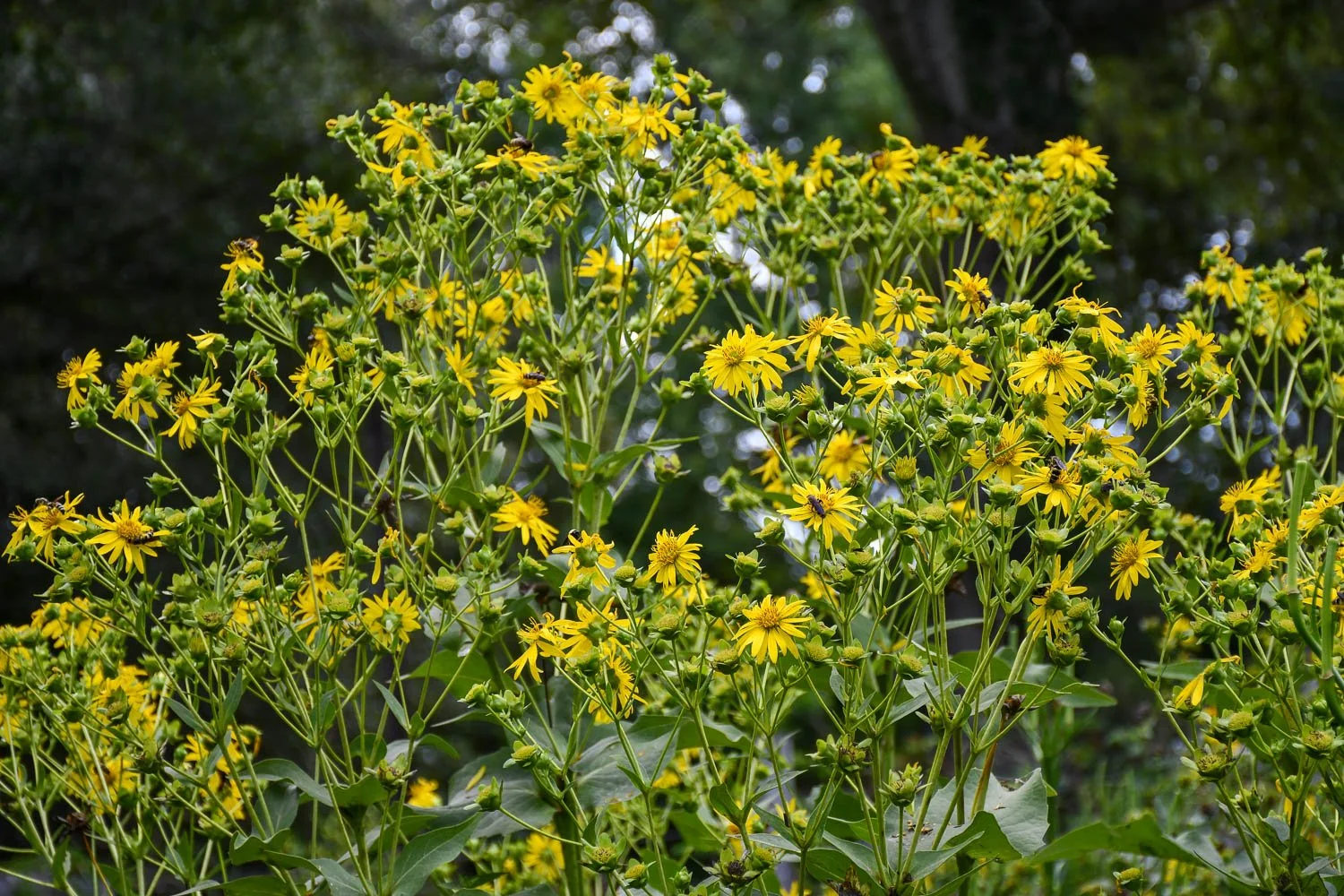
I know Aldo Leopold wrote about imagining a thousand acres of Silphium tickling the bellies of bison, but my plant would have to do that in the spring. When it starts flowering in late June, it’s already over my head. The flower show crescendos into September until the tops are a fractaled mess of spent blooms and fresh ones.
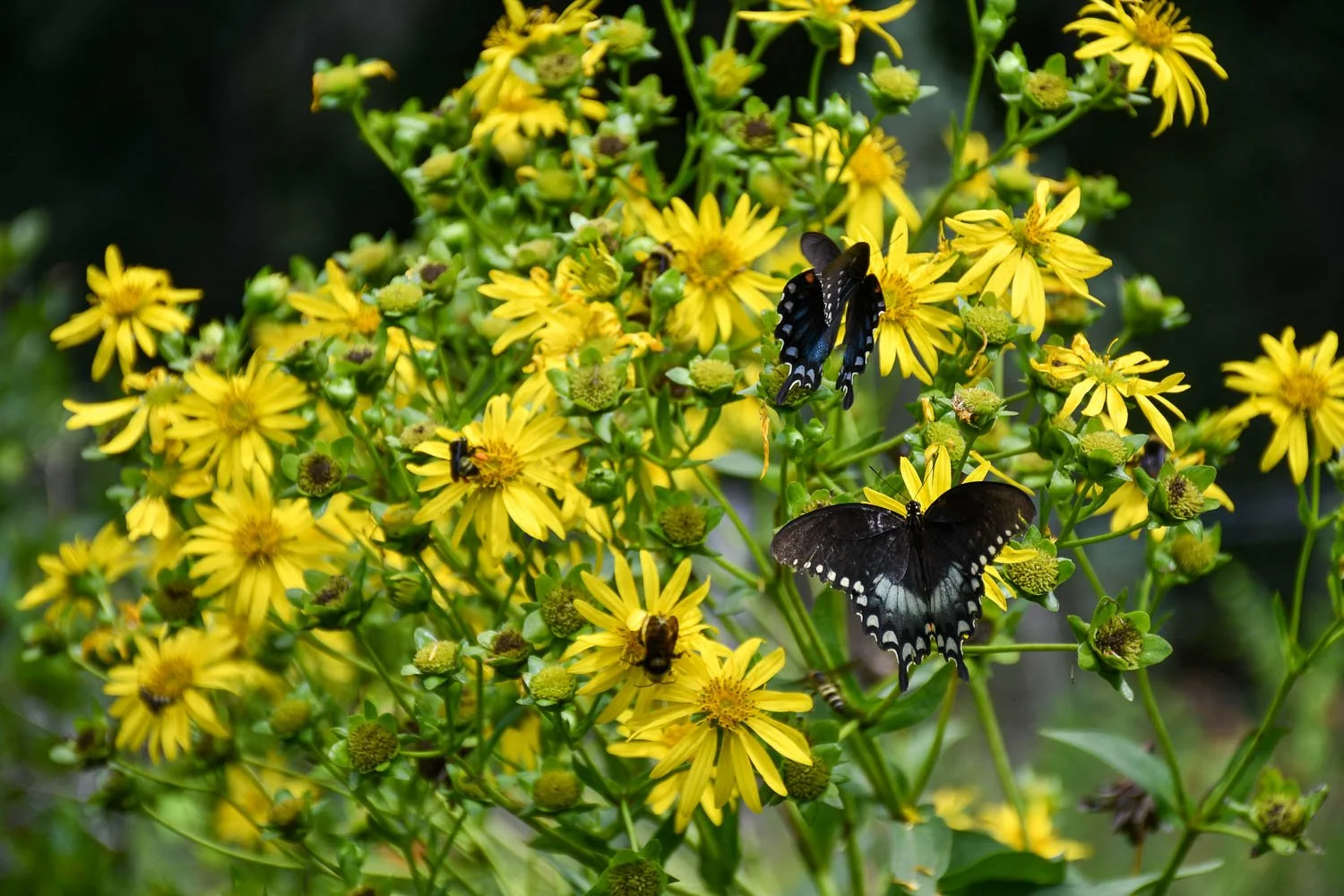
I’m not the only one enjoying cup plant. The flowers are covered in pollinators on the hottest days of summer. Fritillaries, sulphurs, swallowtails, bumblebees, various wasps, and more enjoy the buttery yellow blooms. One day I counted at least 40 insects on a single plant. They start early in the morning and enjoy the plant throughout the day.
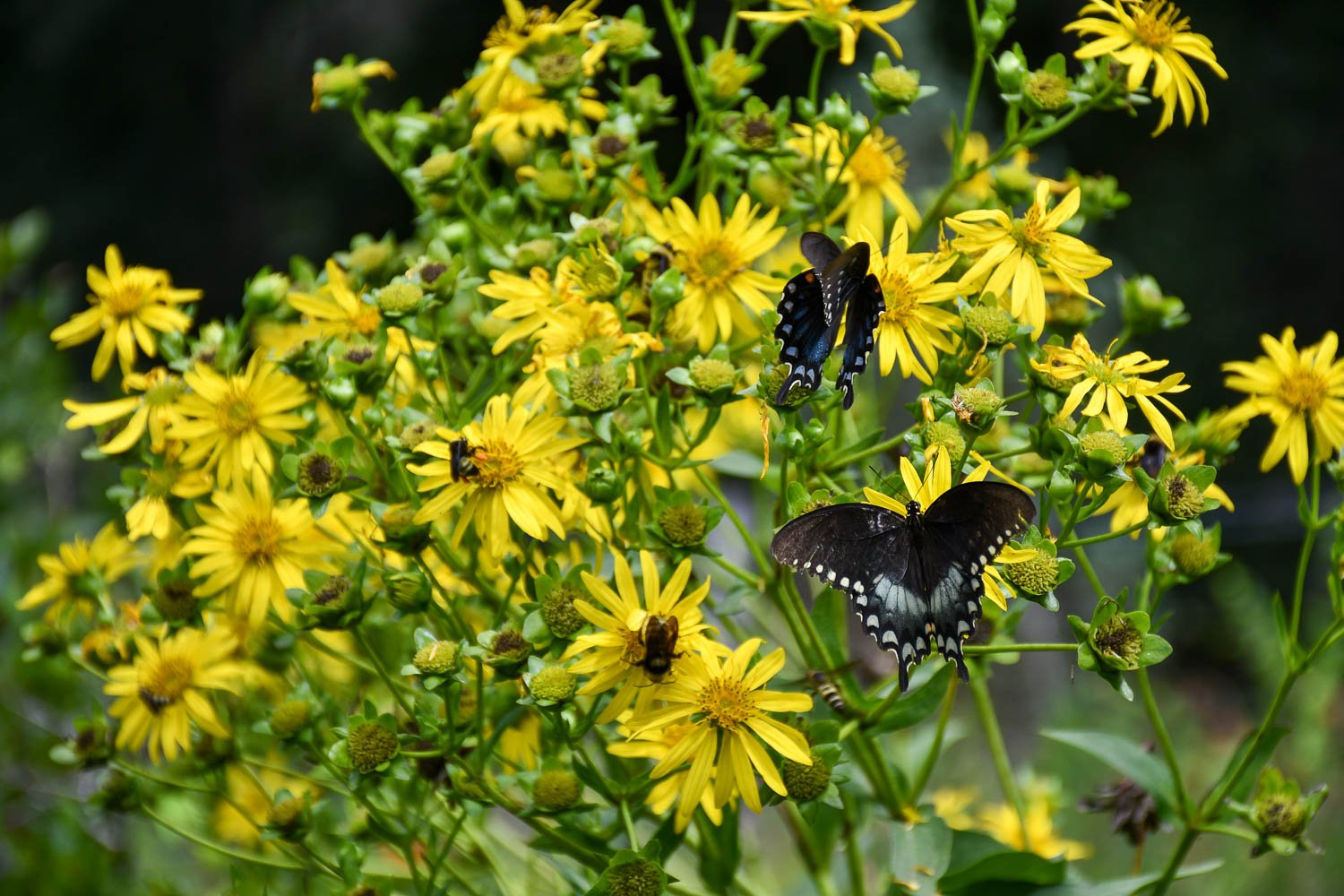
Spicebush Swallowtails enjoy the flowers of Silphium perfoliatum.
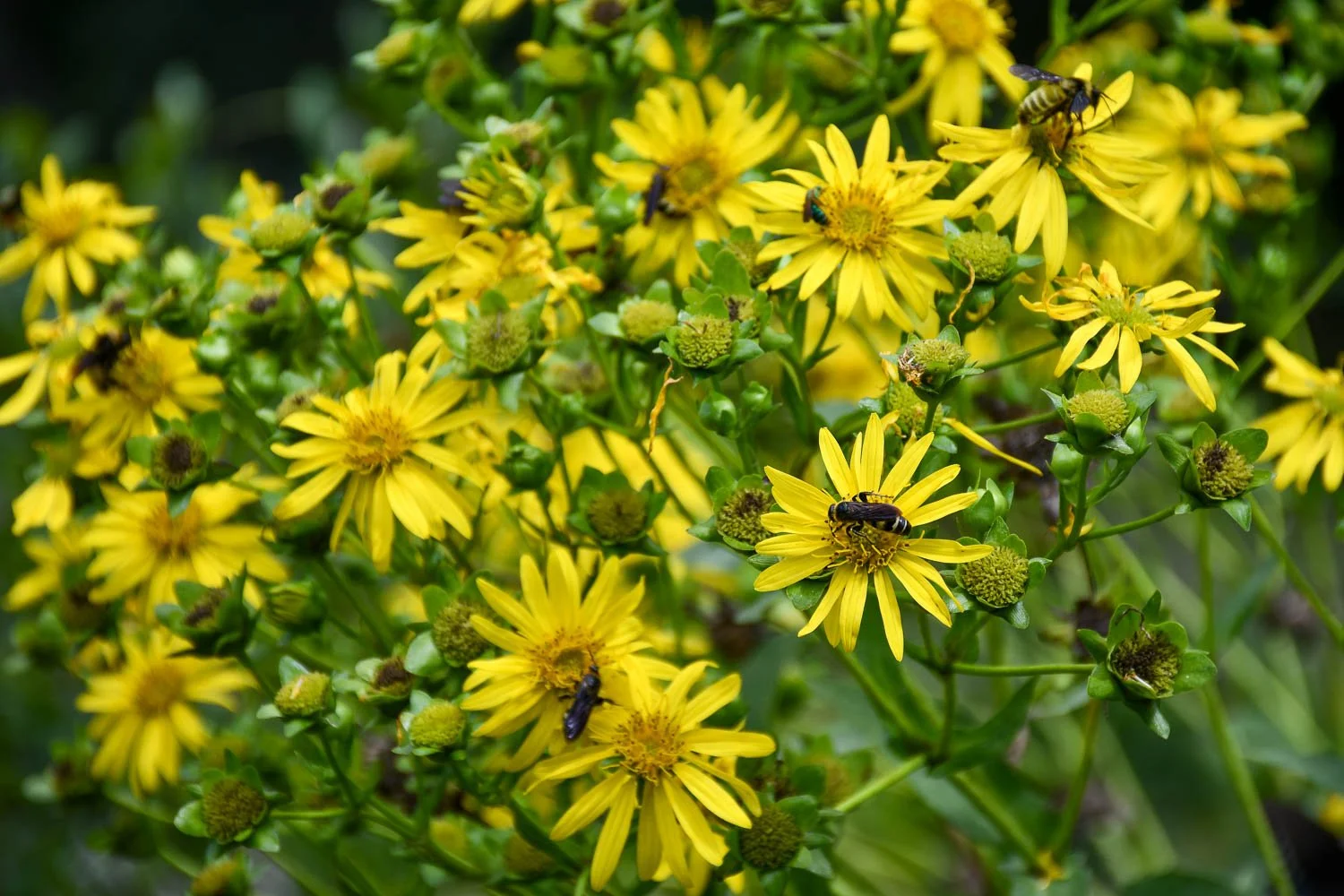
Silphium perfoliatum is visited by a variety of bees and wasps.
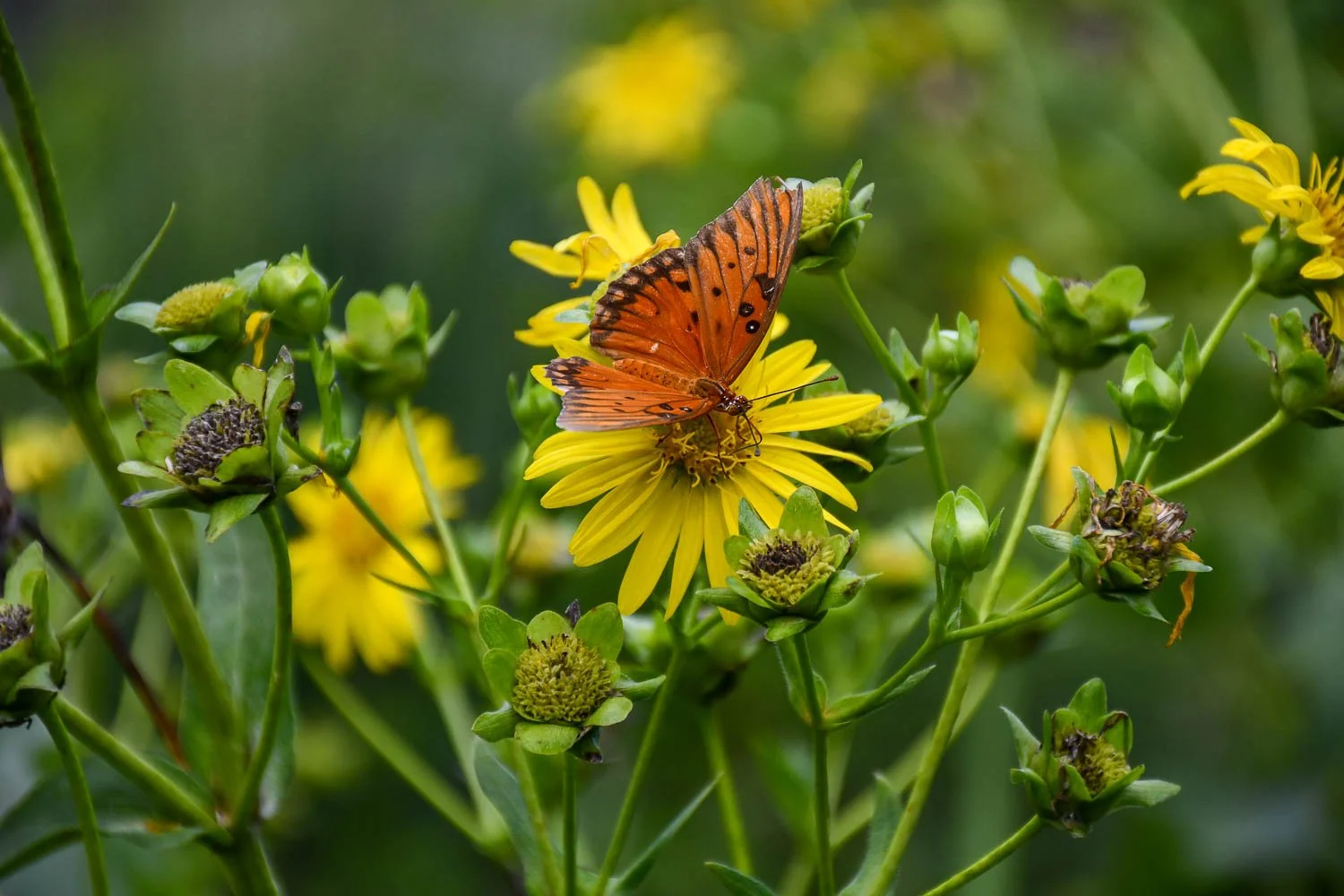
I love watching the rusty orange Gulf Fritillaries dart around the flowers of Silphium perfoliatum. This one stayed still long enough for a photo.
Beyond the summer show, this plant also has a strong winter presence. In a season of bleached tans and browns, the darker seedheads and stems really stand out, and they remain upright through the depths of winter.
I’ve realized this species makes a wonderful anchor plant in the summer and winter garden, and I’ve been working to propagate it. My first approach was seed using both collected seed and seedlings that sprout around the base. However, so far nothing has come true. It's possible the original plant is a hybrid. It’s also possible that this plant is hybridizing with Silphium radula (roughstem rosinweed) nearby in my trial patch. This species is much floppier and less floriferous, so I’ve been roguing these seedlings out. Going forward, my approach is to keep propagating by division. This spring, I divided the basal foliage into two pieces, and I have two strong clumps this year. My goal is to have six strong clumps by next spring to dot through the plantings as structural anchors.
Such is the joy when we find an incredible plant. We copy and paste, to ensure its survival, to propagate its benefits, and to have yet another great species that can survive and thrive in our dry summers in east Texas.
Keep Growing